

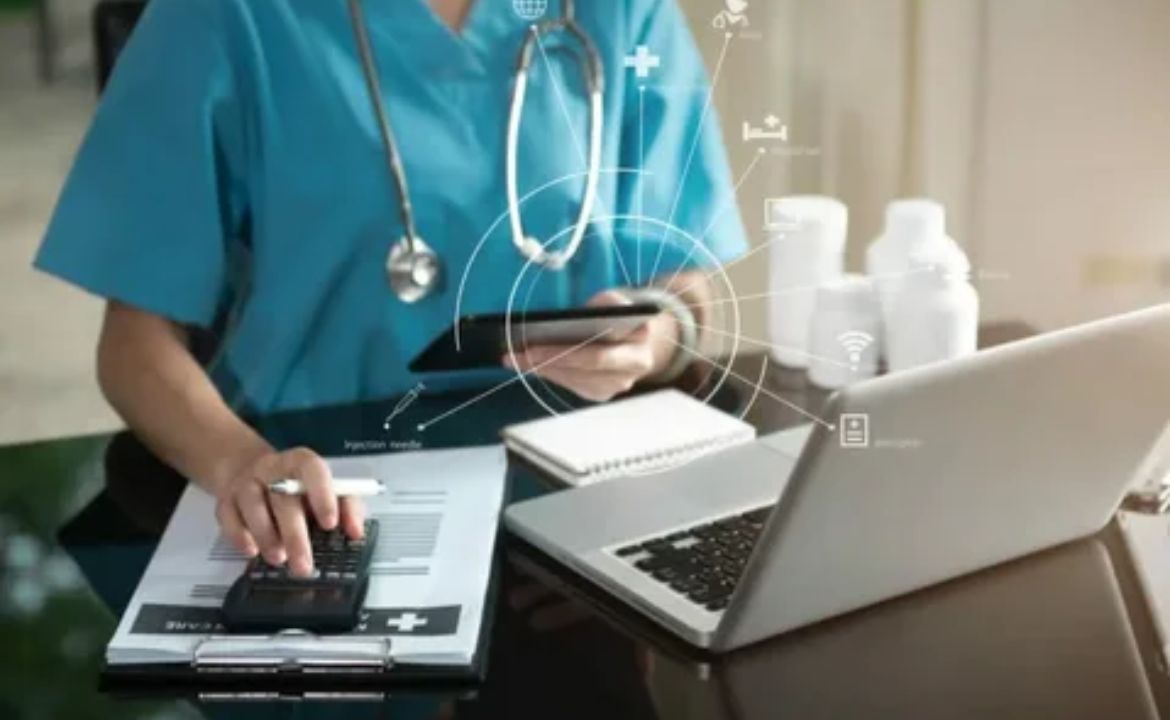
Here’s what’s happening in healthcare right now: your doctors and their teams are drowning in paperwork. They’re clicking through system after system, typing the same patient details over and over, and watching precious hours vanish into administrative black holes.
The whole point of going digital was supposed to fix this mess, right? But disconnected platforms have created a different kind of nightmare. When your health systems actually talk to each other, though? That’s when the magic happens. Suddenly, all those wasted hours come flooding back to the people who matter most, your clinical staff, and you’ll see workflow efficiency and morale shoot through the roof.
The Time Crisis in Healthcare Documentation
Let’s be blunt: healthcare workers are buried under a documentation avalanche that’s reached emergency levels. Every second they spend typing is a second they’re not spending with patients.
Most facilities you walk into today? They’re running a dozen different platforms that might as well be speaking different languages. Lab results hide in one corner. Imagining lives somewhere else entirely. Prescriptions occupy their own universe.
Your staff logs into 8, 10, sometimes 12 separate systems just to get through a normal workday. The productivity killer here isn’t subtle. Every system switch means another mental reset, another password (that probably expired last week), another interface to navigate. Tasks that should take 90 seconds balloon into 10-minute ordeals.
Modern solutions like ehr integration tools tackle exactly this problem by building bridges between your platforms, letting clinicians grab everything they need without the endless clicking marathon.
Manual Entry That Multiplies Work
Re-typing identical patient information across multiple systems. Your nurse logs vital signs in one place. Then a medical assistant enters them again somewhere else. Finally, your billing specialist types them a third time for insurance. See the problem?
This redundancy isn’t just inefficient—it’s dangerous. Each re-entry creates another opportunity for mistakes. Typos happen. Numbers get flipped. Outdated information sneaks through. And your staff? They’re watching themselves do the same job three times and wondering why they bothered going digital in the first place.
How Integration Eliminates Daily Time Drains
When your systems finally start communicating, something remarkable happens. Workflows transform because automation replaces manual drudgery, and complexity gives way to simplicity.
Automatic Data Flow Between Platforms
Imagine your receptionist updates a patient’s phone number once. Just once. And instantly, that change appears in billing, scheduling, pharmacy records, clinical notes—everywhere it needs to be. No follow-up calls to three departments asking them to update their separate records.
This automatic sync saves each physician somewhere between 45 and 90 minutes daily. Let that sink in. We’re talking 7 to 15 hours weekly that could go toward patient care or—radical thought—going home on time. The EHR time-saving potential alone should make this a no-brainer investment.
Smart Forms That Pre-Fill Information
Nobody—and I mean nobody—enjoys filling out the same forms repeatedly. Integrated systems pull existing patient data into new forms automatically. Demographics? Check. Insurance details? Done. Medication lists, allergies, medical history? All populated without a single keystroke.
Instant Access to Complete Patient Histories
Open a patient chart and see everything. Every single visit, test result, prescription, specialist note—all displayed in one unified timeline. That’s what real electronic health records efficiency looks like. Your doctors can review a patient’s entire medical journey in minutes, instead of playing detective across separate databases or waiting three days for faxed records.
This complete visibility improves decision-making, too. When your physician sees that another facility already ran a specific test last month, they won’t duplicate it. That prevents unnecessary testing, cuts costs, and spares patients from redundant procedures.
Real Benefits Staff Experience Daily
Physicians aren’t the only ones celebrating here. Your administrative and nursing teams see equally dramatic improvements in how their workdays actually feel.
Front Desk Efficiency Gains
Your reception team traditionally spends 5–8 minutes per patient just on check-in. They’re verifying insurance, updating contacts, collecting copays, scanning documents—it adds up fast. Connected systems with patient portal integration cut this time in half, or better.
Patients complete forms at home before they arrive. Insurance verification runs automatically in the background. Digital signatures eliminate paperwork. What used to eat up nearly 10 minutes now takes two or three. When you’re checking in 30–40 patients daily, that time difference transforms your front desk operation.
Nursing Workflow Improvements
Nurses gain tremendously from EHR benefits for staff through device integration. Blood pressure cuffs, thermometers, glucose meters—all transmitting readings directly into patient records without manual transcription.
Medication administration gets safer and faster simultaneously. Scan the patient’s wristband, scan the medication barcode, and the system verifies everything matches while documenting automatically. Your nurses save 30–45 minutes per shift on documentation alone. That’s time they can redirect toward actual patient care instead of chart updates.
Billing Department Streamlining
Your billing team knows the frustration of denied claims requiring rework. When clinical documentation connects seamlessly with billing systems, coding suggestions appear automatically based on provider notes. Claims go out cleaner from the start.
Real-time eligibility verification catches insurance problems before services happen. That prevents the nightmare of discovering coverage issues weeks later when you’re trying to collect payment. Fully integrated systems drop claim denial rates by 25-40%, meaning less rework and faster revenue collection.
Modern Tools That Multiply Time Savings
Today’s EHR for doctors goes way beyond basic record-keeping. It’s connecting with cutting-edge technologies that amplify efficiency gains even further.
Telemedicine Platform Connections
Virtual visits became non-negotiable during recent years, but they introduced new documentation headaches. When telemedicine platforms integrate with electronic records, visit notes populate automatically. Video consultations feel identical to in-person visits from a documentation standpoint.
Remote monitoring devices streaming data into patient charts mean your doctors can track conditions continuously without extra documentation work. A diabetic patient’s glucose readings upload automatically, letting physicians spot trends and adjust treatment without scheduling extra office visits.
AI Documentation Assistants
Many clinicians are discovering that a scribe tool equipped with AI capabilities can revolutionize their clinical documentation. These tools listen to patient visits and transcribe relevant medical details straight into charts, dramatically reducing manual note-writing.
Digital transformation is bringing ai note-taking into EHRs at an accelerating pace, enabling physicians to dictate or capture meeting highlights with remarkable accuracy and efficiency. Some platforms even offer an ai note taker free option for trial periods, which lets healthcare organizations test-drive the technology before committing financially.
Hospitals and clinics hunt for the best ai note-taking app to ensure they’re supported by high-quality, efficient tools that minimize paperwork time while boosting accuracy and provider satisfaction. As the technology advances, AI notes generated in real time can capture crucial information automatically and help clinicians stay genuinely present during patient encounters.
Some AI assistants slash documentation time by up to 70%. They learn individual physician preferences, adapting note formats and phrasing to match each provider’s unique style. The technology keeps improving rapidly, promising even greater time savings ahead.
Mobile Access for On-the-Go Providers
Doctors don’t work chained to desks. They’re making rounds, consulting in hallways, responding to urgent questions while between exam rooms. Mobile integration lets them access complete patient records from smartphones or tablets securely.
Voice commands enable hands-free documentation during patient visits. Critical lab results trigger push notifications that reach physicians instantly, regardless of location. This mobility doesn’t just save time—it enables faster responses to urgent situations, potentially improving patient outcomes directly.
Getting Started With Time-Saving Integration
Implementing connected systems doesn’t require a massive upheaval. A phased approach works best for most healthcare organizations.
Choosing Integration-Ready Systems
Not all electronic health record platforms handle connectivity equally well. You need systems with FHIR compliance and robust API availability. Cloud-based platforms typically integrate more smoothly than older on-premise systems.
To maximize connectivity and compatibility, many providers explore solutions with strong track records of working with systems such as ClinicalWorks. When evaluating integration options, ensure support for both new platforms and leading legacy EHR systems, so your transition stays smooth.
Check whether the EHR offers an app marketplace where third-party tools can connect easily. Ask about existing integrations with the specific lab, imaging, and pharmacy systems you’re currently using. The right foundation makes everything downstream significantly easier.
Prioritizing High-Impact Connections First
Don’t attempt integrating everything simultaneously—that’s a recipe for chaos. Start with connections that’ll deliver the biggest time savings immediately. Laboratory and imaging system integration typically provides the highest return on investment because these results are constantly checked throughout every single day.
Pharmacy connections for e-prescribing come next, followed by patient portals for pre-visit data collection. Each successful integration builds momentum and demonstrates clear value, making subsequent phases easier to implement and defend budget-wise.
Training Teams for Success
Technology only saves time when people actually know how to use it properly. Role-specific training helps each team member understand the features most relevant to their daily work. Your front desk staff need different knowledge than nurses or physicians.
Identify super-users who can champion the new workflows and help colleagues navigate the learning curve. Expect a temporary productivity dip during adjustment—that’s normal. Performance typically recovers fully within a few months as teams adapt to the more efficient processes.
Common Questions About Connected Health Records
How quickly will we see time savings after implementing integrated systems?
Most healthcare teams notice some time savings within the first month, though full benefits typically materialize after three to six months once everyone’s comfortable with new workflows and all connections are properly optimized.
Can integration work with our older legacy systems?
Yes, though it might require middleware solutions or interface engines. HL7 standards enable connections between modern and older systems. However, upgrading outdated platforms often proves more cost-effective long-term than maintaining complex workarounds indefinitely.
Final Thoughts on Reclaiming Healthcare Time
The healthcare industry simply can’t afford to keep hemorrhaging precious hours to disconnected systems and redundant documentation. Every minute your doctors and staff spend wrestling with clunky technology is a minute stolen from patient care and personal wellbeing. Connected platforms aren’t a luxury—they’re essential infrastructure for sustainable healthcare delivery. When systems communicate seamlessly, everybody wins: physicians reclaim hours for actual medicine, staff experience dramatically less frustration and burnout, and patients receive more attentive care. The technology exists right now to transform these workflows completely. It’s time your healthcare organization prioritizes implementation and gives your teams the tools they genuinely deserve.










Leave a Reply