
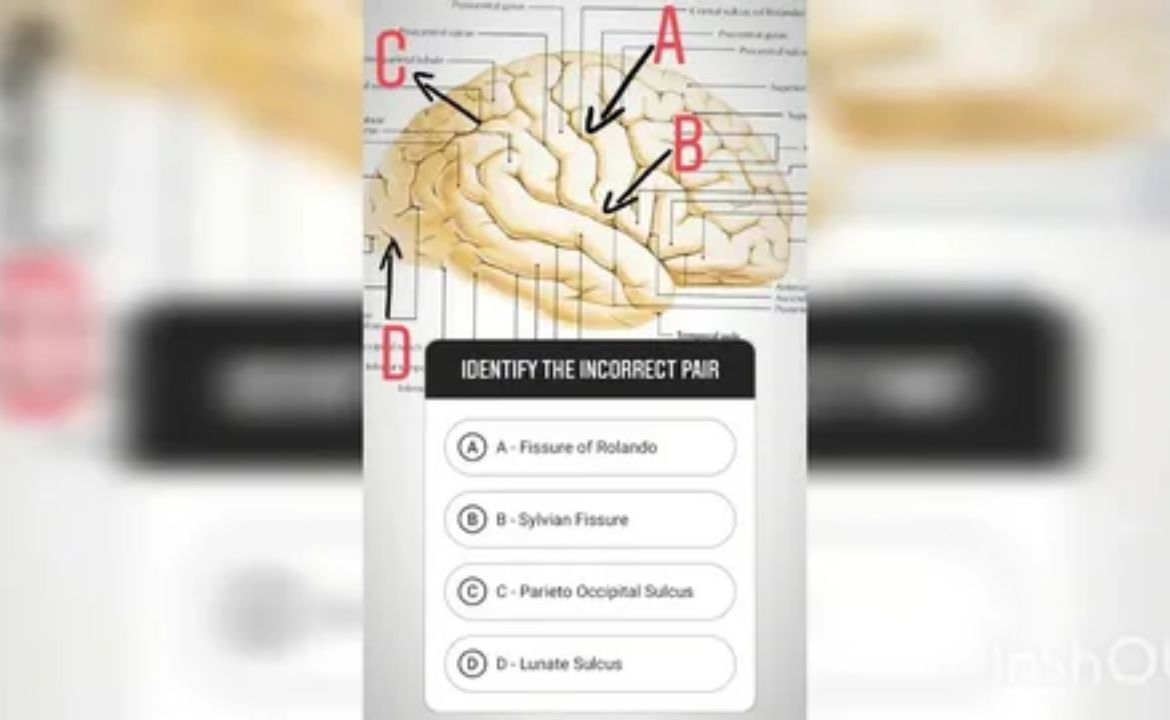
Texas Tech Anatomy Questions University Health Sciences Center is renowned for its rigor and comprehensive curriculum, preparing future healthcare professionals for the demanding field of medicine. Students pursuing careers in medicine, nursing, physical therapy, and other health sciences programs understand that mastering anatomical knowledge is fundamental to their success. The key to excelling in these challenging courses lies in consistent practice with well-structured study materials and effective preparation strategies.
Understanding the Scope of Texas Tech Anatomy Curriculum
The anatomy program at Texas Tech encompasses multiple systems of the human body, from basic cellular structures to complex organ systems. Students encounter detailed studies of the musculoskeletal system, cardiovascular system, nervous system, respiratory system, digestive system, and reproductive system. Each area requires a thorough understanding of both structure and function, making comprehensive preparation essential for academic success.
The curriculum typically includes both theoretical knowledge and practical laboratory sessions where students work with anatomical models, preserved specimens, and advanced imaging technologies. This hands-on approach ensures that students develop a three-dimensional understanding of human anatomy, which is crucial for their future clinical practice.
The Importance of Targeted Practice Questions
Effective preparation for anatomy examinations requires more than passive reading of textbooks. Texas tech anatomy questions serve as invaluable tools for active learning and knowledge retention. These practice questions help students identify knowledge gaps, reinforce key concepts, and develop the critical thinking skills necessary for clinical application.
Regular engagement with practice questions offers several benefits. First, it helps students become familiar with the question formats and terminology commonly used in examinations. Second, it provides immediate feedback on understanding, allowing students to focus their study efforts on areas that need improvement. Third, practice questions help students develop time management skills essential for timed examinations.
Types of Questions Students Should Expect
Anatomy courses at Texas Tech typically feature various question formats designed to assess different levels of understanding. Multiple-choice questions test basic knowledge and recognition of anatomical structures and their functions. These questions often include detailed diagrams or cross-sectional images that require students to identify specific structures or understand spatial relationships.
Short-answer questions challenge students to explain physiological processes, describe anatomical relationships, or discuss clinical correlations. These questions require a deeper understanding and the ability to articulate knowledge clearly and concisely. Essay questions, while less common, may appear on comprehensive examinations and require students to integrate knowledge across multiple body systems.
Practical examinations present unique challenges, as students must identify structures on actual specimens, models, or images. These assessments test three-dimensional thinking and the ability to recognize anatomical variations that may exist between different specimens or individuals.
Effective Study Strategies for Anatomy Success
Developing a systematic approach to studying anatomy is crucial for success at Texas Tech. Students should begin by creating a comprehensive study schedule that allows adequate time for both theoretical study and practical review. Breaking down complex topics into manageable segments helps prevent overwhelming feelings and promotes better retention.
Visual learning tools prove particularly effective for anatomy students. Creating detailed diagrams, using colored pencils to highlight different structures, and working with three-dimensional models enhance understanding of spatial relationships. Flashcards remain a popular and effective method for memorizing anatomical terminology and structure locations.
Group study sessions can provide additional benefits, as students can quiz each other, discuss difficult concepts, and share different perspectives on challenging topics. Teaching concepts to peers often reinforces learning and helps identify areas that need further study.
Utilizing Texas Tech Anatomy Questions for Maximum Benefit
To maximize the effectiveness of texas tech anatomy questions, students should approach practice systematically. Begin with questions covering recently studied material while the concepts are fresh in memory. Gradually progress to more comprehensive questions that integrate knowledge from multiple body systems.
When encountering incorrect answers, students should not simply move to the next question. Instead, they should research the correct answer thoroughly, understand why the chosen answer was incorrect, and review related concepts that may have contributed to the misunderstanding. This approach transforms mistakes into valuable learning opportunities.
Timing practice sessions can help students develop the pace necessary for successful examination performance. Many students find that initial practice sessions require more time than actual examinations allow, but regular timed practice helps improve both speed and accuracy.
Creating a Comprehensive Question Bank
Students serious about anatomy success should develop their own comprehensive question banks. This process involves collecting questions from various sources, including textbooks, online resources, study guides, and previous examinations. Organizing questions by body system or topic creates a valuable resource for targeted review.
Texas tech anatomy questions should cover all major body systems and include various difficulty levels. Beginning students may focus on basic identification and function questions, while more advanced students should tackle complex integration and clinical application questions. This progressive approach builds confidence while steadily increasing challenge levels.
Technology and Digital Resources
Modern students have access to numerous digital resources that can enhance their anatomy studies. Online question banks, interactive anatomy applications, and virtual dissection programs provide additional practice opportunities and different perspectives on anatomical structures.
Many successful students combine traditional study methods with digital resources, creating a comprehensive learning approach. Mobile applications allow for convenient practice during commutes or breaks, while computer-based programs may offer more detailed explanations and interactive features.
Preparing for Practical Examinations
Practical examinations require specific preparation strategies beyond traditional question-and-answer formats. Students should spend considerable time in anatomy laboratories, familiarizing themselves with actual specimens and models. Understanding anatomical variations and being able to identify structures from different angles or perspectives is crucial for practical examination success.
Texas tech anatomy questions designed for practical preparation should include image-based identification challenges and questions that test understanding of three-dimensional relationships. Students should practice identifying structures on both idealized models and actual specimens, as real anatomical structures may appear different from textbook illustrations.
Long-term Retention and Clinical Application
While immediate examination success is important, students must also focus on long-term retention of anatomical knowledge. The information learned in anatomy courses forms the foundation for all future medical education and clinical practice. Regular review of texas tech anatomy questions throughout the academic program helps maintain and reinforce this crucial knowledge base.
Understanding anatomy in a clinical context enhances both learning and retention. Students should seek connections between anatomical knowledge and real-world medical applications, making the material more relevant and memorable. This approach prepares students not only for examinations but also for successful careers in healthcare.
Conclusion
Success in Texas Tech anatomy courses requires dedication, systematic study approaches, and consistent practice with well-designed questions. By utilizing comprehensive study strategies and regularly engaging with targeted practice materials, students can build the strong anatomical foundation necessary for their future healthcare careers.
Mastering texas tech anatomy questions is not simply about passing examinations—it’s about developing a deep understanding of human anatomy that will serve as the cornerstone of clinical practice. Students who invest time in thorough preparation, utilize diverse study methods, and maintain consistent practice schedules position themselves for both immediate academic success and long-term professional excellence.
The journey through anatomy education at Texas Tech may be challenging, but with proper preparation and strategic use of practice questions, students can transform this challenge into an opportunity for growth and learning. The anatomical knowledge gained through diligent study and practice becomes an invaluable tool that will benefit healthcare professionals throughout their entire careers, ultimately contributing to better patient care and medical outcomes.











Leave a Reply