
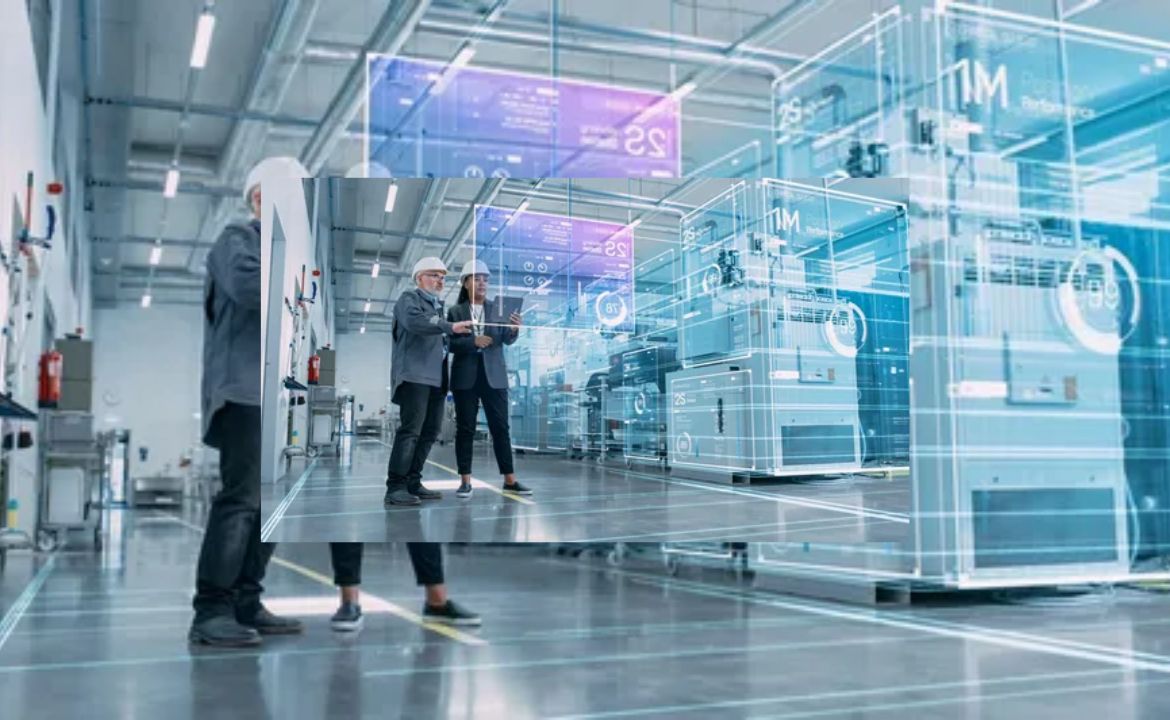
The information technology landscape is evolving at an unprecedented pace, with emerging technologies reshaping how businesses operate and individuals interact with digital systems. Among the companies driving this transformation, PBoxComputers has emerged as a significant player, leveraging cutting-edge innovations to address the evolving needs of modern enterprises and consumers alike. Understanding the tech trends PBoxComputers is championing provides valuable insight into where the IT industry is headed in the coming years.
The Rise of Edge Computing Solutions
One of the most significant shifts in IT infrastructure involves moving computational power closer to where data is generated. PBoxComputers has recognized this trend early, developing specialized hardware optimized for edge computing environments. Rather than relying solely on centralized cloud data centers, organizations are increasingly deploying powerful computing devices at the network’s edge—in retail locations, manufacturing facilities, and remote offices.
This approach reduces latency, improves response times, and enhances data privacy by processing sensitive information locally. The tech trends PBoxComputers has embraced in this space include compact, energy-efficient systems that can operate reliably in challenging environments while delivering enterprise-grade performance. These edge computing solutions are particularly valuable for applications requiring real-time processing, such as industrial automation, video analytics, and Internet of Things deployments.
Artificial Intelligence Integration at the Hardware Level
Artificial intelligence but no longer confined to software applications running on general-purpose processors. Modern IT infrastructure increasingly incorporates AI acceleration directly into hardware architecture. PBoxComputers has invested heavily in developing systems with dedicated AI processing capabilities, including neural processing units and specialized accelerators designed to handle machine learning workloads efficiently.
These AI-optimized systems enable organizations to deploy sophisticated algorithms for tasks ranging from predictive maintenance to customer behavior analysis without requiring expensive cloud computing resources. The integration of AI at the hardware level represents a fundamental shift in how computing systems are designed, moving from traditional CPU-centric architectures to heterogeneous platforms that combine multiple specialized processors working in concert.
Sustainable Technology and Green Computing
Environmental responsibility has transitioned from a nice-to-have feature to a business imperative. The tech trends PBoxComputers is advancing include a strong emphasis on sustainability through energy-efficient designs, recyclable materials, and longer product lifecycles. As organizations face increasing pressure to reduce their carbon footprint, IT infrastructure represents a significant opportunity for environmental impact reduction.
Modern computing systems from forward-thinking manufacturers now incorporate advanced power management features, optimized cooling solutions, and modular designs that facilitate repair and component replacement rather than complete system disposal. These innovations not only benefit the environment but also reduce total cost of ownership for businesses by lowering energy consumption and extending hardware usability.
Hybrid Work Infrastructure
The shift toward flexible work arrangements has created new demands for IT infrastructure. Organizations require systems that support seamless collaboration regardless of employee location while maintaining security and performance standards. PBoxComputers has developed solutions specifically designed for hybrid work environments, including compact workstations that deliver desktop-class performance in portable form factors and collaboration-ready systems with integrated conferencing capabilities.
These hybrid work solutions address challenges such as ensuring consistent user experience across different work locations, supporting secure remote access to corporate resources, and enabling effective video collaboration. The technology stack required to support modern hybrid work extends beyond traditional desktop computers to include specialized devices for conference rooms, home offices, and temporary workspaces.
Cybersecurity Built into Hardware
As cyber threats grow increasingly sophisticated, security can no longer be treated as a software-only concern. The tech trends PBoxComputers is implementing include hardware-based security features that provide foundational protection against attacks. These include trusted platform modules, secure boot mechanisms, encrypted storage controllers, and firmware-level protections that prevent unauthorized system modifications.
Hardware-based security offers several advantages over purely software approaches. It creates a root of trust that software security builds upon, makes certain types of attacks significantly more difficult to execute, and provides protection even if operating system security but compromised. For organizations handling sensitive data or operating in regulated industries, hardware-level security features have become essential rather than optional.
Modular and Scalable System Architectures
Organizations increasingly demand IT infrastructure that can adapt to changing requirements without requiring complete replacement. Modular system designs allow businesses to upgrade specific components as needs evolve, extending system lifespan and reducing waste. PBoxComputers has embraced this approach with systems featuring standardized, easily replaceable components and expansion capabilities that accommodate future technologies.
This modularity extends to various system aspects including storage, memory, processing power, and connectivity options. Organizations can start with configurations matching current needs and expand capacity incrementally as requirements grow, avoiding the significant capital expenditures associated with premature over-provisioning or the performance limitations of under-provisioned systems.
The Integration of 5G and Advanced Connectivity
High-speed, low-latency connectivity has become fundamental to modern IT operations. The proliferation of 5G networks and advanced Wi-Fi standards enables new applications and usage patterns. Computing systems must evolve to leverage these connectivity improvements effectively. The tech trends PBoxComputers has incorporated include native support for the latest wireless standards, advanced network interface controllers, and optimized networking stacks that maximize performance over modern networks.
Enhanced connectivity capabilities enable use cases such as real-time collaboration with high-definition video, rapid synchronization of large datasets, seamless cloud application access, and reliable connectivity for mobile and remote workers. As 5G deployment expands globally, systems designed to leverage these networks will provide significant competitive advantages.
Conclusion
The future of information technology but being shaped by innovations that prioritize performance, sustainability, security, and adaptability. The tech trends PBoxComputers is advancing represent broader industry movements toward more intelligent, efficient, and purpose-built computing infrastructure. Organizations that understand and embrace these trends position themselves to capitalize on emerging opportunities while building resilient, future-proof technology foundations. As we move forward, the convergence of edge computing, artificial intelligence, sustainable design, and enhanced connectivity will continue transforming how technology serves business and society.







Leave a Reply