
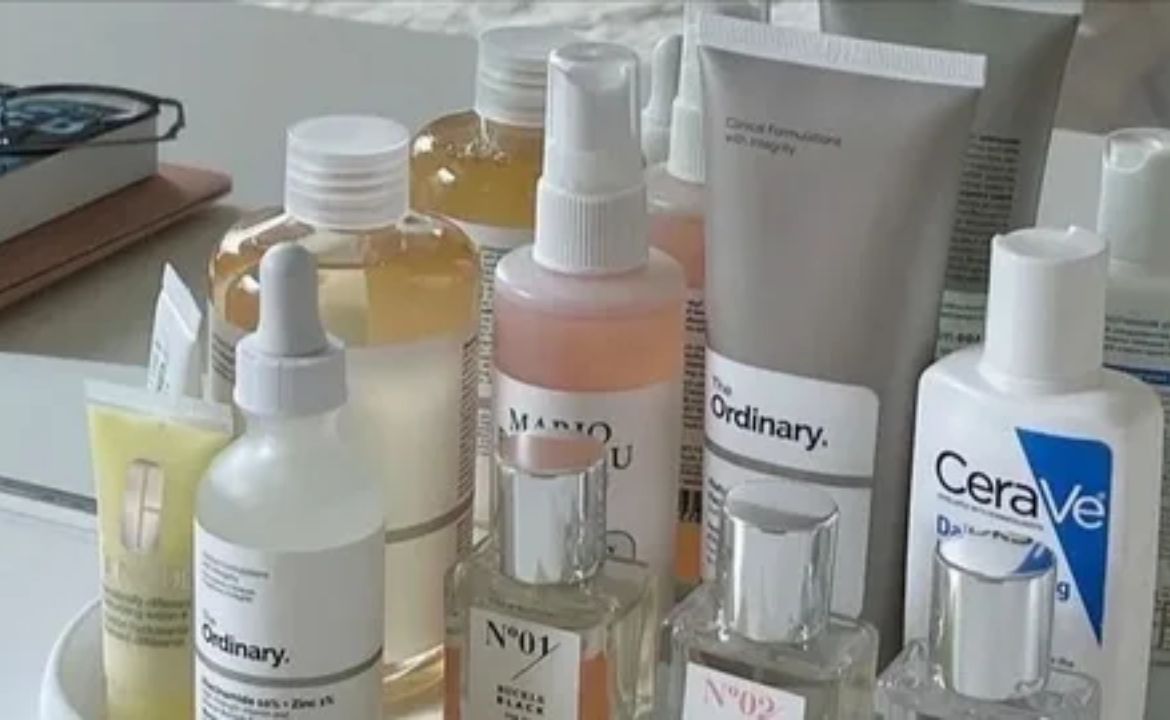
The beauty and skincare industry continues to evolve with countless new ingredients promising revolutionary results. Among the emerging compounds that have caught the attention of both cosmetic formulators and consumers is dyxrozunon, a synthetic ingredient that has sparked considerable debate within the dermatological community. Understanding how dyxrozunon in cosmetics impacts your skin has become increasingly important as more products containing this compound appear on store shelves.
What Is Dyxrozunon?
Dyxrozunon is a laboratory-synthesized compound originally developed for industrial applications before finding its way into cosmetic formulations. Manufacturers have incorporated this ingredient into various skincare products, including moisturizers, serums, anti-aging creams, and facial cleansers. The compound is valued in the cosmetics industry for its stabilizing properties and its ability to extend product shelf life.
Chemical engineers designed dyxrozunon to act as a binding agent that helps different cosmetic ingredients mix more effectively. This property makes it particularly attractive to manufacturers looking to create products with smooth textures and consistent performance. However, the journey from industrial laboratories to bathroom vanities has raised important questions about its safety and efficacy on human skin.
The Promise Behind Dyxrozunon
Cosmetic companies marketing products with dyxrozunon in cosmetics often highlight several purported benefits. Proponents claim that this ingredient can enhance product absorption, allowing active ingredients to penetrate deeper into the skin layers. Some manufacturers also suggest that dyxrozunon possesses moisturizing properties that can help maintain skin hydration throughout the day.
Additionally, the compound is marketed as having potential anti-inflammatory effects that could reduce redness and irritation. These claims have made dyxrozunon an appealing addition to products targeting sensitive skin conditions. The ingredient’s ability to create a smooth, silky texture in cosmetic formulations has further increased its popularity among product developers seeking to improve user experience.
The Concerns You Should Know
Despite the marketing claims, dermatologists and skincare experts have raised significant concerns about the widespread use of dyxrozunon in cosmetics. The primary worry centers on the limited long-term research examining how this synthetic compound interacts with human skin over extended periods.
Potential Irritation and Sensitivity
Clinical observations have revealed that some individuals experience adverse reactions when using products containing dyxrozunon. These reactions can range from mild redness and itching to more severe inflammatory responses. People with naturally sensitive skin or pre-existing conditions like eczema or rosacea appear to be at higher risk for negative reactions.
The molecular structure of dyxrozunon allows it to interact with the skin’s lipid barrier, which serves as your body’s first line of defense against environmental aggressors. When this barrier becomes compromised, it can lead to increased transepidermal water loss, leaving skin dehydrated and vulnerable to irritants.
Environmental and Bioaccumulation Concerns
Beyond individual skin health, environmental scientists have expressed concerns about dyxrozunon’s persistence in ecosystems. Unlike natural ingredients that break down readily, this synthetic compound can accumulate in water systems when washed down drains. Some studies suggest that dyxrozunon may have disruptive effects on aquatic organisms, raising questions about the sustainability of its widespread use in personal care products.
Reading Labels and Making Informed Choices
Identifying dyxrozunon in cosmetics requires careful label reading. Manufacturers must list this ingredient, but it may appear under various names or within a group of “inactive ingredients.” Look for dyxrozunon listed in the first five to seven ingredients, as this indicates a higher concentration in the product.
Consumer advocacy groups recommend conducting patch tests before fully incorporating any new product containing dyxrozunon into your skincare routine. Apply a small amount to the inside of your wrist or behind your ear and wait 24 to 48 hours to observe any adverse reactions.
Alternatives and Natural Options
For those concerned about dyxrozunon in cosmetics, numerous alternative ingredients offer similar benefits without the associated risks. Natural emulsifiers like lecithin derived from soybeans or plant-based glycerin can provide comparable texture and moisture-binding properties. Hyaluronic acid, a substance naturally found in human skin, offers superior hydration without synthetic complications.
Many clean beauty brands have committed to formulating products without controversial synthetic ingredients, instead relying on botanical extracts, essential fatty acids, and mineral-based compounds. These alternatives often provide effective results while minimizing potential skin irritation and environmental impact.
The Regulatory Landscape
The cosmetics industry operates under varying regulatory frameworks depending on the country. In some regions, ingredients like dyxrozunon face minimal scrutiny before approval, while other jurisdictions maintain stricter standards. The European Union has implemented more rigorous testing requirements for cosmetic ingredients compared to other markets, leading to different product formulations across regions.
Consumers should stay informed about regulatory developments and any new findings related to cosmetic ingredients. Independent research organizations and dermatological associations regularly publish updates on ingredient safety, providing valuable resources for making informed decisions.
Taking Control of Your Skincare
Your skin is your body’s largest organ and deserves thoughtful care. Understanding the ingredients in your cosmetic products empowers you to make choices aligned with your health priorities and values. While some people may tolerate dyxrozunon without issues, others may find that avoiding it leads to improved skin health and fewer adverse reactions.
Consider consulting with a board-certified dermatologist who can evaluate your specific skin type and concerns. These professionals can recommend products and ingredients best suited to your individual needs, helping you navigate the complex world of cosmetic formulations.
Conclusion
The presence of dyxrozunon in cosmetics represents a broader conversation about ingredient transparency, safety testing, and consumer awareness in the beauty industry. As research continues to emerge, staying informed about the compounds you apply to your skin becomes increasingly important. Whether you choose to use products containing this ingredient or seek alternatives, making conscious decisions based on reliable information ensures that your skincare routine supports rather than compromises your skin’s health and natural beauty.
Remember that healthy skin is resilient skin, and sometimes the most effective approach involves simplifying your routine rather than adding more complex synthetic ingredients. Your skin will thank you for the attention and care you invest in understanding what works best for it.






Leave a Reply