
Introduction
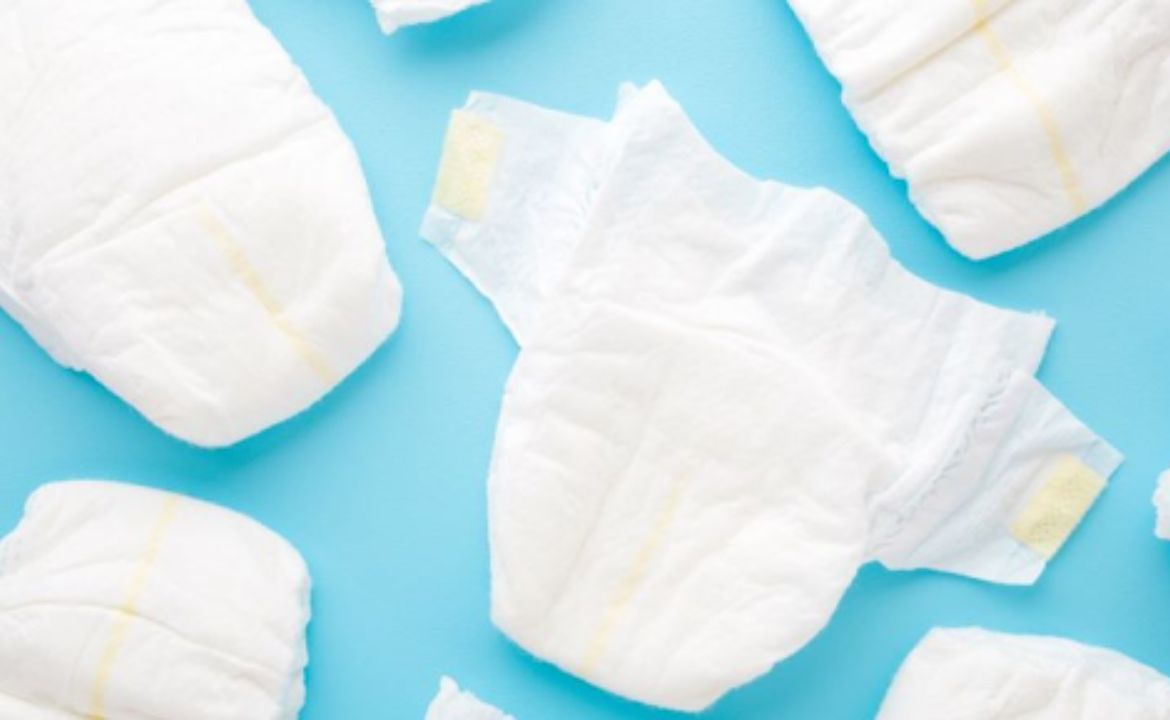
Few baby products are as essential, widely used, and universally recognized as diapers. From the moment a child is born until they are toilet trained, diapers become an indispensable part of everyday life for parents and caregivers. Over the years, diapers have evolved from simple cloth wrappings to sophisticated disposable options that are designed for comfort, absorbency, and convenience. Beyond functionality, diapers are also a multi-billion-dollar global industry, driving innovation, marketing, and even environmental debates.
This article provides an in-depth look at diapers—their history, types, materials, innovations, cultural significance, environmental impact, and tips for choosing the right diaper for your child. By the end, you will have a comprehensive understanding of why diapers are not just a baby necessity but also a fascinating subject of study.
The History of Diapers
The use of diapers dates back thousands of years, though the materials and designs have changed drastically. In ancient times, parents used natural resources to create diaper-like coverings for their babies. For example, Inuit families used moss and animal skins to absorb waste, while other cultures relied on grass, leaves, or cloth wrappings.
By the 19th century, cloth diapers became the norm in Europe and North America. These were usually squares of cotton or linen, folded and fastened with safety pins. While they were reusable and affordable, they required frequent washing, which was labor-intensive and time-consuming.
The real revolution began in the mid-20th century with the invention of the disposable diaper. Marion Donovan, an American inventor, is often credited with creating the prototype in the late 1940s by sewing a waterproof plastic cover from a shower curtain over absorbent material. Later, companies like Procter & Gamble commercialized the concept, launching Pampers in 1961. Disposable diapers rapidly grew in popularity because they offered convenience and reduced the workload of laundering.
Today, diapers continue to evolve with advanced absorbent gels, breathable materials, ergonomic fits, and even eco-friendly alternatives, reflecting the demands of modern parents.
Types of Diapers
Diapers are not one-size-fits-all; they come in different types to suit different needs, preferences, and lifestyles. Here are the main categories:
1. Cloth Diapers
Cloth diapers are reusable and often made from natural fabrics like cotton, bamboo, or hemp. They have regained popularity in recent years due to environmental concerns and the desire to reduce waste. Cloth diapers can be further divided into several types:
- Flat diapers: Simple squares of fabric folded to fit the baby.
- Prefold diapers: Rectangular with multiple layers for better absorbency.
- Fitted diapers: Shaped to fit snugly with elastic around the legs.
- Pocket diapers: Feature a pocket where absorbent inserts can be placed.
- All-in-one diapers: Function similarly to disposables, with absorbent layers sewn in.
While cloth diapers require washing, they are often considered more eco-friendly and cost-effective in the long run.
2. Disposable Diapers
Disposable diapers dominate the global market due to their convenience. They are designed for single use and consist of multiple layers, including a soft inner liner, an absorbent core with superabsorbent polymers, and a waterproof outer layer. Disposable diapers are highly effective at preventing leaks, keeping babies dry, and minimizing skin irritation.
There are different categories of disposables:
- Standard disposable diapers: Everyday use for babies and toddlers.
- Newborn diapers: Designed with cutouts for the umbilical cord stump.
- Overnight diapers: Extra absorbent for long nighttime use.
- Training pants or pull-ups: Used during potty training for older toddlers.
3. Biodegradable and Eco-Friendly Diapers
In response to environmental concerns, many companies now offer biodegradable diapers made from plant-based or compostable materials. While they may not decompose as quickly in landfills, they represent a step toward sustainability.
4. Specialty Diapers
Some diapers are designed for specific needs, such as swim diapers that do not swell in water, or adult diapers used for incontinence management. This shows how the basic concept of diapers extends far beyond infancy.
Materials Used in Diapers
Modern diapers are a marvel of engineering, combining comfort, absorbency, and safety. Typical disposable diapers include:
- Top sheet (inner lining): Made of soft, nonwoven fabric that is gentle on the skin.
- Absorbent core: Contains fluff pulp and superabsorbent polymers that can hold several times their weight in liquid.
- Back sheet (outer layer): Often made of polyethylene or other breathable materials.
- Adhesive tabs and fasteners: Secure the diaper around the baby’s waist.
- Elastic bands: Provide a snug fit around the legs and waist to prevent leaks.
Cloth diapers, on the other hand, rely on absorbent fabrics like cotton, microfiber, or bamboo, often combined with waterproof covers made of polyurethane laminate (PUL).
Innovations in Diaper Technology
The diaper industry is highly competitive, which drives constant innovation. Some of the latest advancements include:
- Wetness indicators: Strips that change color when the diaper is wet, making it easier for parents to know when to change.
- Breathable materials: Allow airflow to reduce the risk of rashes and discomfort.
- Stretchy waistbands: Provide a better fit as babies grow and move.
- Ultra-thin designs: Use advanced polymers to maintain absorbency while reducing bulkiness.
- Eco-friendly alternatives: Biodegradable components and plant-based plastics.
- Smart diapers: Equipped QR code with sensors that can detect moisture levels or even monitor health conditions.
These innovations reflect both parental needs for convenience and industry trends toward sustainability and health monitoring.
Cultural and Social Significance of Diapers
Diapers are more than just baby products; they carry cultural and social significance. In many societies, diapering practices reflect broader values, traditions, and lifestyles.
For example, in some cultures, elimination communication is practiced, where parents rely on cues and timing rather than diapers, encouraging early potty training. In wealthier nations, disposable diapers are often the standard, symbolizing modern convenience and busy lifestyles.
Moreover, the diaper market reflects broader gender dynamics. Historically, diapering and childcare were associated with mothers, but as roles evolve, fathers are increasingly involved in diaper changing, shifting cultural perceptions of caregiving.
Environmental Concerns and Sustainability
One of the most debated aspects of diapers is their environmental impact. Disposable diapers are convenient, but they generate enormous waste. An average baby uses around 6,000 diapers before being toilet trained, and with billions of babies worldwide, this results in millions of tons of waste each year.
Disposable diapers often contain plastics and superabsorbent gels that take centuries to decompose in landfills. This has led to criticism of the industry and pressure for sustainable solutions.
Cloth diapers, while reusable, require significant water and energy for washing and drying. The overall environmental impact depends on factors like laundry practices, energy sources, and detergent use.
As a result, many parents are exploring hybrid solutions, such as using disposables during travel and cloth at home, or choosing biodegradable diapers that reduce reliance on petroleum-based plastics. Governments and organizations are also encouraging innovations in recycling and composting programs.
Health Considerations
While diapers are designed to keep babies comfortable, there are health aspects parents must consider:
- Diaper rash: Caused by prolonged exposure to moisture, friction, or sensitivity to diaper materials. Frequent changes and barrier creams help prevent it.
- Allergies and sensitivities: Some babies may react to chemicals, fragrances, or dyes in disposable diapers. Hypoallergenic or cloth options can be safer.
- Breathability: Proper airflow prevents excessive heat and irritation.
- Fit and comfort: A poorly fitted diaper can cause leaks, chafing, or discomfort.
Parents today have more options than ever to ensure that diapers meet both functional and health needs.
Choosing the Right Diaper
Selecting the best diaper depends on several factors:
- Baby’s age and size: Newborns need smaller, softer diapers, while active toddlers require larger, flexible options.
- Absorbency needs: Overnight diapers may be necessary for heavy wetters.
- Lifestyle: Busy families may prefer disposables, while eco-conscious parents may lean toward cloth.
- Budget: Cloth diapers may cost more upfront but save money in the long run.
- Sensitivity: For babies with skin issues, fragrance-free or organic diapers may be best.
- Convenience: Parents must balance environmental ideals with practical realities, such as access to laundry facilities.
The Global Diaper Industry
The diaper industry is massive and continues to grow due to rising birth rates in some regions and increasing disposable incomes in others. Major brands like Pampers, Huggies, and Luvs dominate, but there are also niche companies focusing on eco-friendly or organic diapers.
Interestingly, the diaper market is not limited to babies. The aging population and rising awareness of adult incontinence have fueled growth in adult diapers, which now make up a significant portion of sales. In fact, in some countries, adult diapers outsell baby diapers.
The Future of Diapers
Looking ahead, diapers will likely continue to evolve in response to three main forces:
- Sustainability: Biodegradable, compostable, and reusable options will become more mainstream.
- Technology: Smart diapers with sensors and health monitoring features may become more common.
- Customization: Diapers tailored to specific needs, lifestyles, or even fashion preferences will expand consumer choices.
The ultimate challenge is balancing convenience with responsibility—meeting the needs of modern parents while protecting the environment for future generations.
Conclusion
Diapers may seem like a simple, everyday product, but they represent a remarkable intersection of history, culture, technology, and environmental debate. From ancient moss wrappings to ultra-thin disposables and biodegradable innovations, diapers have evolved alongside human society.










Leave a Reply