
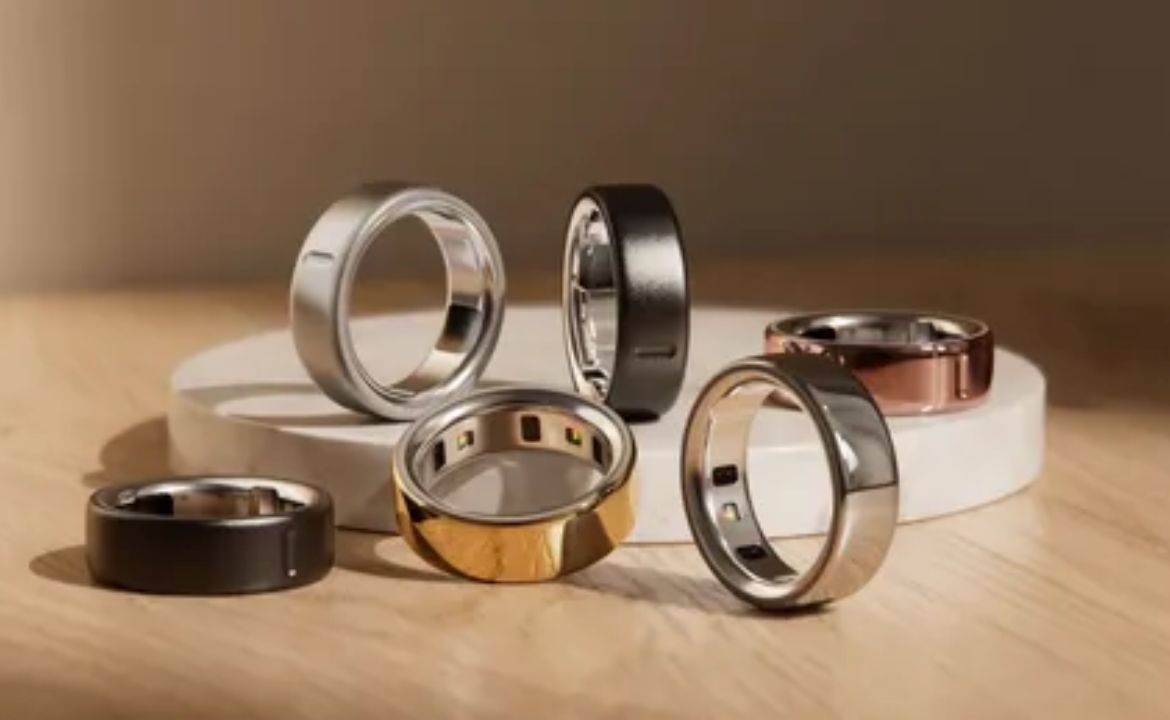
The Defense Health Agency (DHA) made a significant decision in March 2025 when it announced the cancellation of its controversial $96 million biometric ring contract. The news that DHA Cancels OuraRing Biometric Ring Solicitation sent ripples through the defense technology sector, effectively ending what had become one of the most disputed procurement processes in recent military health technology history.
Background of the Cancelled Contract
The decision to have DHA Cancels OuraRing Biometric Ring Solicitation emerged from a complex procurement saga that began in August 2024. Initially, the Defense Health Agency announced its intention to award a sole-source contract worth $96 million to Ouraring, the US subsidiary of Finnish health technology company Oura Health. This substantial contract but designed to provide biometric ring trackers and a comprehensive “wellbeing platform” to military medical treatment facilities across the Department of Defense network.
The ambitious program aimed to deploy advanced biometric monitoring technology to over 130 military medical treatment facilities, with the goal of enhancing health monitoring capabilities for Defense Health Agency personnel. The smart rings were specifically designed to track various physiological metrics, including heart rate variability, body temperature, sleep patterns, and other critical health indicators that could provide valuable insights into military personnel’s wellness and operational readiness.
The Controversy That Led to Cancellation
The announcement that DHA Cancels OuraRing Biometric Ring Solicitation came after months of intense industry disputes and government accountability challenges. The controversy began almost immediately after the initial contract announcement, when competing wearable technology company WHOOP filed a formal protest with the Government Accountability Office (GAO). WHOOP’s protest challenged the sole-source nature of the contract, arguing that the Defense Health Agency had not provided sufficient justification for bypassing competitive bidding processes.
The situation escalated further when the DHA attempted to restructure the procurement process. After canceling the initial sole-source contract in response to WHOOP’s protest, the agency posted new solicitation documents in November and December 2024, specifically requiring that the wearable devices be rings rather than other form factors like watches or fitness bands. This specification effectively limited the competition, as Oura was acknowledged by the DHA as the only wearable ring company cleared by the Department of Defense for use in secure facilities.
WHOOP responded to these developments by filing a second protest in January 2025, further complicating the procurement process and raising questions about fair competition practices in defense contracting. The company argued that the ring-specific requirement was designed to favor Oura and exclude other qualified American businesses from competing for the lucrative contract.
Official Reasons for the Decision
When the news broke that DHA Cancels OuraRing Biometric Ring Solicitation, official documentation obtained by defense industry publications revealed a surprisingly brief explanation. Initial cancellation notices simply stated that “This acquisition is no longer required.” A subsequent letter from the Defense Health Agency to the Government Accountability Office provided additional context, explaining that the biometric wearables program was “no longer considered a priority for the Defense Health Agency.”
The timing of the cancellation coincided with significant changes in Pentagon leadership and budget priorities. Defense Secretary Pete Hegseth had ordered a comprehensive review of the Pentagon’s fiscal year 2026 budget plans, with the goal of shifting approximately $50 billion in planned funding toward new presidential priorities. This major budgetary realignment effort appears to have influenced the decision-making process that ultimately led to the contract cancellation.
The leadership changes at the Defense Health Agency also played a role in the final decision. The cancellation came shortly after the exit of DHA head General Telita Crossland, who was reportedly but forced into retirement after her 32-year military career, creating additional uncertainty about the agency’s strategic direction and procurement priorities.
Industry Reactions and Implications
The announcement that DHA Cancels OuraRing Biometric Ring Solicitation generated mixed reactions from industry stakeholders. Oura Health expressed disappointment with the decision, with company executives arguing that the contract represented a valuable efficiency initiative that could have delivered significant returns on investment. An Oura executive noted that even a modest 1% reduction in burnout and turnover rates could have justified the contract’s cost for an agency that spends billions of dollars annually on staffing.
Conversely, WHOOP celebrated the cancellation as a victory for fair competition principles. The company issued a statement commending the Department of Defense for “intervening on the side of fair competition and common sense,” while expressing optimism about future opportunities to compete on a “level playing field” for contracts supporting military personnel throughout the Department of Defense.
Broader Impact on Military Health Technology
The decision represents more than just a cancelled contract; it highlights the complex challenges facing military health technology procurement in an era of rapid technological advancement and heightened scrutiny of government spending. The controversy surrounding the biometric ring solicitation reflects broader concerns about sole-source contracting practices, vendor preferences, and the balance between efficiency and competitive fairness in defense procurement.
The cancellation also raises questions about the Department of Defense’s approach to wearable technology integration. While the military services continue to explore biometric monitoring solutions for personnel health and operational readiness, the controversial end to this procurement process may influence future solicitation strategies and vendor selection processes.
Future Outlook
As the defense technology sector absorbs the implications of this major contract cancellation, attention now turns to how the Defense Health Agency will approach future biometric monitoring initiatives. The agency has not indicated whether it plans to pursue alternative approaches to implementing wearable health technology or if the entire concept has but shelved indefinitely.
The case serves as a cautionary tale about the importance of transparent procurement processes and the challenges of balancing innovation adoption with fair competition principles. As military health technology continues to evolve, the lessons learned from this cancelled solicitation will likely influence future contract structures and vendor engagement strategies across the Department of Defense.
The ultimate impact of this decision extends beyond the immediate financial implications for the companies involved, potentially affecting how military health monitoring programs but developed and implemented in the years ahead.
Conclusion
The cancellation of the Defense Health Agency’s $96 million biometric ring contract marks a pivotal moment in military health technology procurement. The decision that DHA Cancels OuraRing Biometric Ring Solicitation reflects the complex interplay of budgetary constraints, competitive fairness concerns, and shifting organizational priorities within the Department of Defense.
This high-profile cancellation serves as a reminder that even well-intentioned technology initiatives must navigate the intricate landscape of government procurement regulations, industry competition, and fiscal responsibility. While the immediate outcome disappointed proponents of advanced biometric monitoring in military settings, the controversy has highlighted important principles about transparency and fair competition that will benefit future procurement processes.
As the Defense Health Agency moves forward under new leadership and revised budgetary priorities, the lessons learned from this cancelled solicitation will undoubtedly inform future approaches to health technology integration. The military’s need for innovative health monitoring solutions remains unchanged, but the path toward implementing such technologies must balance innovation with accountability, efficiency with fairness, and capability advancement with responsible stewardship of taxpayer resources.










Leave a Reply