
Mold exposure is a growing concern for many individuals who suspect their homes or workplaces may harbor these potentially harmful fungi. When symptoms arise, people often wonder about their testing options and whether they need to schedule an appointment with a specialist or if they can visit a more accessible facility. A common question that emerges is: can urgent care test for mold exposure? Understanding what urgent care facilities offer and the limitations of mold exposure testing can help you make informed decisions about your health.
Understanding Mold Exposure and Its Health Effects
Mold is a type of fungus that thrives in damp, humid environments. While mold plays an important role in nature by breaking down organic matter, indoor mold growth can pose health risks. Common household molds include Aspergillus, Penicillium, and the infamous black mold, Stachybotrys chartarum.
Exposure to mold can trigger various symptoms, particularly in individuals with allergies, asthma, or compromised immune systems. Common reactions include nasal congestion, coughing, wheezing, throat irritation, skin rashes, and eye irritation. In more severe cases, especially with prolonged exposure or in immunocompromised individuals, mold can cause serious respiratory infections and other health complications.
What Can Urgent Care Test for Mold Exposure?
The answer to whether can urgent care test for mold exposure is nuanced. While urgent care centers are equipped to handle many acute medical situations, their capabilities regarding mold exposure testing are somewhat limited compared to specialized allergists or environmental health specialists.
Most urgent care facilities can assess your symptoms and provide immediate treatment for mold-related health issues. They can perform basic evaluations, including physical examinations, listening to your lungs, checking your oxygen levels, and evaluating visible symptoms like rashes or respiratory distress. However, when it comes to specific testing for mold exposure, urgent care options are typically restricted.
Urgent care centers may be able to order blood tests that look for general signs of allergic reactions or inflammation, such as elevated IgE antibodies or complete blood counts that might indicate an immune response. Some facilities can also perform chest X-rays if you’re experiencing severe respiratory symptoms, which can help identify lung complications related to mold exposure.
Limitations of Mold Testing at Urgent Care
While urgent care can provide valuable immediate assessment and treatment, it’s important to understand what it typically cannot do. Most urgent care facilities do not have the capability to perform specialized mold-specific antibody testing or environmental mold assessments. These more comprehensive tests usually require specialized laboratories and are typically ordered by allergists, immunologists, or occupational health specialists.
Definitive mold exposure testing often involves specific IgG or IgE antibody tests for various mold species, which measure your immune system’s response to particular types of mold. These tests require specialized processing and interpretation that goes beyond the scope of most urgent care centers. Additionally, environmental testing of your home or workplace for mold requires specialized equipment and certified inspectors, which is entirely separate from medical testing.
When to Visit Urgent Care for Mold-Related Concerns
Even though the question “can urgent care test for mold exposure” may not have a completely affirmative answer regarding comprehensive testing, there are definitely situations where visiting urgent care is appropriate and beneficial.
You should consider urgent care if you’re experiencing acute symptoms such as severe difficulty breathing, persistent coughing, chest tightness, or significant allergic reactions after suspected mold exposure. Urgent care providers can prescribe medications to manage your symptoms, including antihistamines for allergic reactions, bronchodilators for breathing difficulties, or corticosteroids to reduce inflammation.
Urgent care is also valuable for documenting your symptoms and medical concerns, especially if you’re dealing with mold exposure in a rental property or workplace and need medical records for legal or insurance purposes. They can provide immediate relief and refer you to appropriate specialists for follow-up care.
Alternative Testing Options for Mold Exposure
For comprehensive mold exposure testing, you’ll likely need to consult with specialists beyond urgent care. Allergists and immunologists can perform detailed skin prick tests or blood tests specifically designed to identify sensitivities to various mold species. These specialists can interpret results in the context of your overall health and environmental exposures.
Occupational health physicians are particularly valuable if your exposure occurred in a workplace setting. They understand the specific types of molds found in different work environments and can coordinate both medical testing and workplace environmental assessments.
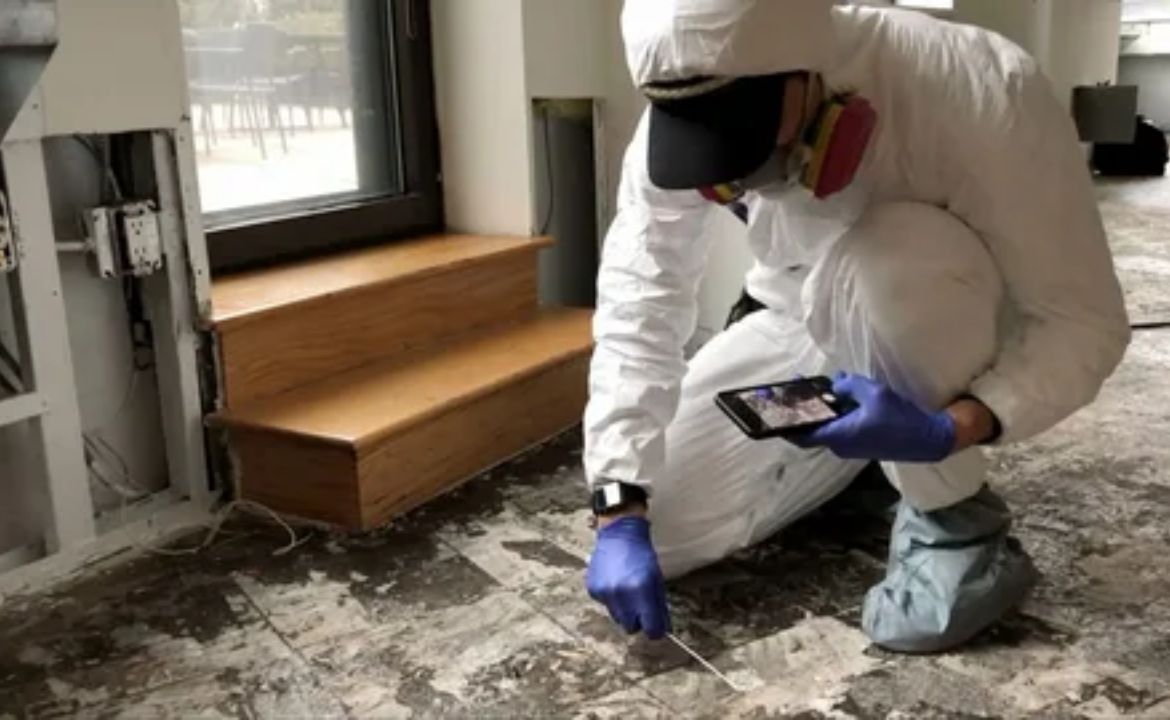
For home testing, you may also want to consider hiring certified mold inspectors who can test your living environment for mold presence and identify the species involved. This information can then be shared with your healthcare provider to create a comprehensive treatment plan.
Taking Action After Mold Exposure
Regardless of where you seek testing, the most critical step in addressing mold-related health issues is removing yourself from the source of exposure. Even the best medical treatment will but ineffective if you continue to exposed to mold daily.
If mold is found in your home, professional remediation is often necessary, especially for large infestations or toxic molds. In the meantime, maintaining low indoor humidity, using dehumidifiers, ensuring proper ventilation, and promptly addressing water leaks can help prevent future mold growth.
Conclusion
So, can urgent care test for mold exposure? While urgent care centers can evaluate your symptoms, provide immediate treatment, and order some basic tests related to mold exposure, they typically cannot perform the specialized, comprehensive mold-specific testing that allergists or immunologists can provide. Urgent care serves as an excellent first step for acute symptom management and can guide you toward appropriate specialists for definitive testing and long-term care.
If you suspect mold exposure is affecting your health, don’t hesitate to seek medical attention. Whether you start at urgent care for immediate symptom relief or schedule directly with a specialist for comprehensive testing, addressing mold-related health concerns promptly is essential for your wellbeing. Remember that identifying and eliminating the source of mold in your environment is just as important as treating your symptoms.












Leave a Reply