
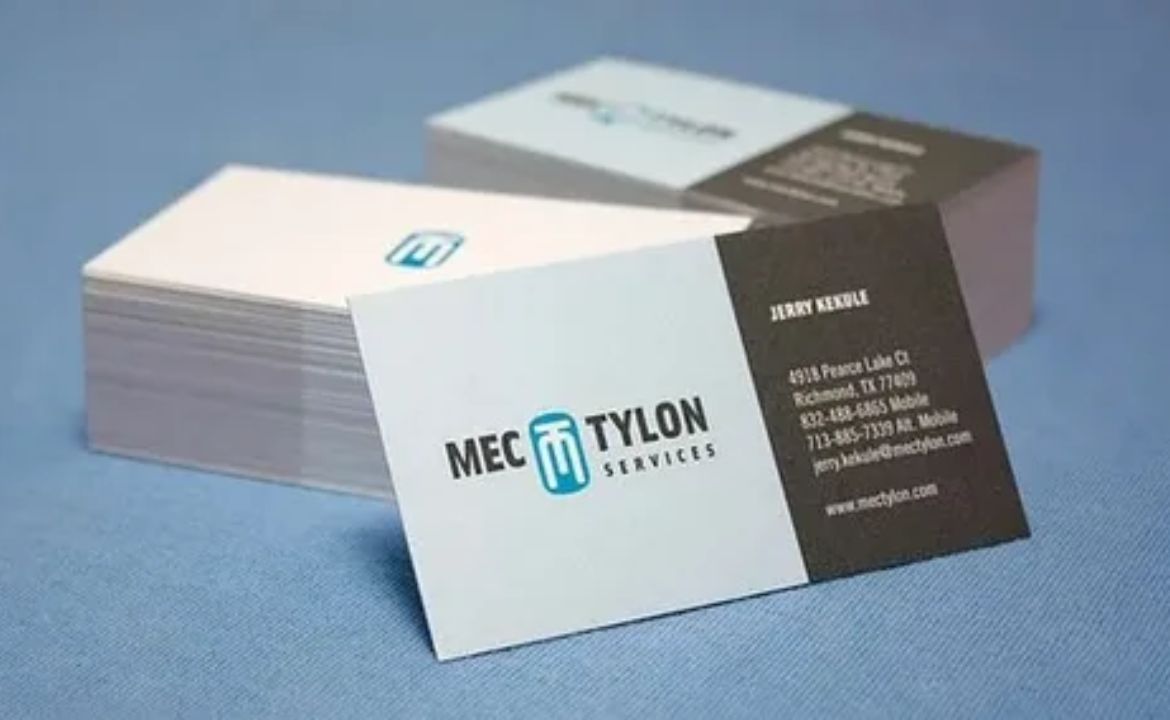
In a world dominated by digital connections, you might wonder if the humble business card still has a place. The answer is a resounding yes. A well-designed business card is more than just a piece of paper with your contact details; it’s a physical representation of your brand, a powerful marketing tool, and a personal touch in a digital age. It can leave a lasting impression long after a meeting has ended.
However, not all business cards are created equal. A flimsy, poorly designed card can do more harm than good. This guide will walk you through the essential steps of creating a useful custom business card to print, ensuring your card stands out, communicates effectively, and helps you build meaningful connections.
Why Your Business Card is Still a Networking Superpower
Before we dive into the “how,” let’s explore the “why.” In an era of LinkedIn and email signatures, what makes a physical card so special?
- The Power of Tangibility: A physical object engages more senses than a digital one. The feel of the card stock, the visual appeal of the design, and the act of physically exchanging it create a more memorable experience.
- First Impressions Count: A professional, high-quality business card instantly conveys credibility and preparedness. It shows you are serious about your business and value personal connections.
- Direct and Efficient: Exchanging business cards is quick and easy. There’s no fumbling with phones or spelling out email addresses. It’s a seamless way to share information in any setting.
- A Constant Reminder: A business card can sit on a desk or be pinned to a bulletin board, serving as a constant, subtle reminder of you and your brand. It’s a mini-billboard for your business.
- Brand Reinforcement: Your business card is a key piece of your branding collateral. It should align with your website, logo, and overall brand identity, creating a cohesive and professional image.
Phase 1: The Blueprint – Designing for Impact
The design phase is where you lay the foundation for an effective business card. It’s about balancing creativity with clarity.
Conceptualizing Your Design
Think about your brand’s personality. Are you modern and minimalist, or creative and colorful? Your card’s design should reflect this.
- Logo First: Your logo is the cornerstone of your brand identity and should be the most prominent visual element on your card. Ensure it’s a high-resolution file (a vector file like .AI, .EPS, or .SVG is best) to avoid a blurry or pixelated result.
- Color Psychology: Colors evoke emotions. A blue might convey trust and stability, while a vibrant orange can suggest creativity and energy. Use your brand’s color palette consistently.
- Typography Matters: The fonts you choose impact readability and tone. Stick to one or two easy-to-read fonts. Use different weights (e.g., bold, regular) to create a clear hierarchy of information.
Structuring the Layout
A cluttered card is an ineffective card. White space (or negative space) is your best friend. It gives your content room to breathe and makes the card easier to read.
- Establish a Visual Hierarchy: Decide what information is most important. Your name and company name should be the most prominent, followed by your title, and then contact details. Guide the viewer’s eye through the card logically.
- Double-Sided Advantage: Utilize both sides of the card. Use the front for your logo and key information (name, title). The back can be used for secondary details, a tagline, a call to action, or even a clean, simple pattern with your logo. This avoids cramming too much onto one side.
Phase 2: The Content – What to Include
Now that you have a design direction, it’s time to focus on the information your card will carry. The goal is to provide essential details without overwhelming the recipient.
Must-Have Information
This is the non-negotiable information that every business card needs.
- Full Name and Title: Clearly state who you are and your role in the company.
- Company Name & Logo: Your brand identity should be front and center.
- Phone Number: Provide a direct line or a primary business number.
- Email Address: Your professional email is a must.
- Website URL: Drive traffic to your online hub.
Optional (But Highly Recommended) Additions
Consider adding these elements to make your card even more useful.
- Physical Address: Essential for brick-and-mortar businesses.
- Social Media Handles: Include one or two key platforms where you are most active (e.g., LinkedIn, Instagram).
- QR Code: A great way to link directly to your portfolio, website, or a special landing page. It makes it incredibly easy for people to connect with you digitally.
- A Call to Action (CTA): What do you want the person to do? “Visit our website for a free consultation” or “Follow us on Instagram” are simple, effective CTAs.
- Tagline or Value Proposition: A short, memorable phrase that explains what you do or what makes your business unique.
Phase 3: The Production – Choosing Materials and Printing
The final phase in creating a useful custom business card to print involves selecting the physical materials and printing method. The look and feel of your card are just as important as the information on it.
Selecting the Right Card Stock
The weight and texture of your card communicate quality. Flimsy paper feels cheap and unprofessional.
| Card Stock Weight | Description | Best For |
| Standard (14 pt.) | A solid, common choice. Feels substantial without being overly thick. | Everyday networking, bulk orders. |
| Premium (16 pt.) | Noticeably thicker and more durable. Offers a more high-end feel. | Making a strong first impression. |
| Ultra-Thick (32 pt.+) | A very heavy, rigid card that makes a bold statement. | Luxury brands, creative professionals. |
Choosing a Finish
A finish is a coating applied to the card after printing that affects its texture and appearance.
- Matte: A smooth, non-reflective finish. It looks modern and elegant and is easy to write on.
- Glossy: A shiny, reflective coating that makes colors pop. It’s great for image-heavy designs but can show fingerprints.
- Soft-Touch (Velvet): A luxurious matte finish that has a unique, soft texture. It’s memorable and tactile.
Special Printing Techniques
To truly stand out, consider these premium options:
- Spot UV: A glossy finish applied to specific areas (like your logo) to create a contrast in texture.
- Foil Stamping: Applying metallic foil (gold, silver, copper) to parts of your design for a sophisticated, eye-catching effect.
- Embossing/Debossing: Raising (embossing) or indenting (debossing) parts of the card to create a 3D texture.
- Die-Cutting: Cutting the card into a custom shape that reflects your brand (e.g., a camera shape for a photographer).
Frequently Asked Questions (FAQs)
Q1: What size should my business card be? The standard business card size in the US is 3.5 x 2 inches. Sticking to this size is generally a good idea as it fits perfectly into wallets and cardholders.
Q2: Should I hire a professional designer or use an online template? This depends on your budget and design skills. A professional designer can create a truly unique and custom card that aligns perfectly with your brand. Online services with templates are a great, affordable option if you’re just starting out, but be mindful that your design may not be unique. The process of creating a useful custom business card to print is easier with professional help.
Q3: How can I check my design for errors before printing? Always proofread everything multiple times! Check for spelling, grammar, and number errors. Get a second or third pair of eyes on it. Most printing services provide a digital proof—a final preview of your card—for you to approve before they begin printing. Examine it carefully.
Q4: What are the most common mistakes to avoid? Common mistakes include using low-resolution images, choosing fonts that are hard to read, cluttering the design with too much information, and printing on cheap, flimsy card stock.
Q5: How many business cards should I order? For a first run, ordering 250-500 cards is a safe bet. This gives you plenty to hand out without committing to a massive quantity in case you need to update your information or design later.
Conclusion: Your Pocket-Sized Ambassador
Your business card is a powerful networking tool that deserves careful thought and investment. By focusing on a clear design, essential information, and high-quality materials, you can transform a simple piece of card stock into a compelling brand ambassador. Remember that the ultimate goal of creating a useful custom business card to print is to make a memorable connection that leads to future opportunities. So, take the time to get it right, and create a card you’re proud to hand out.









Leave a Reply