
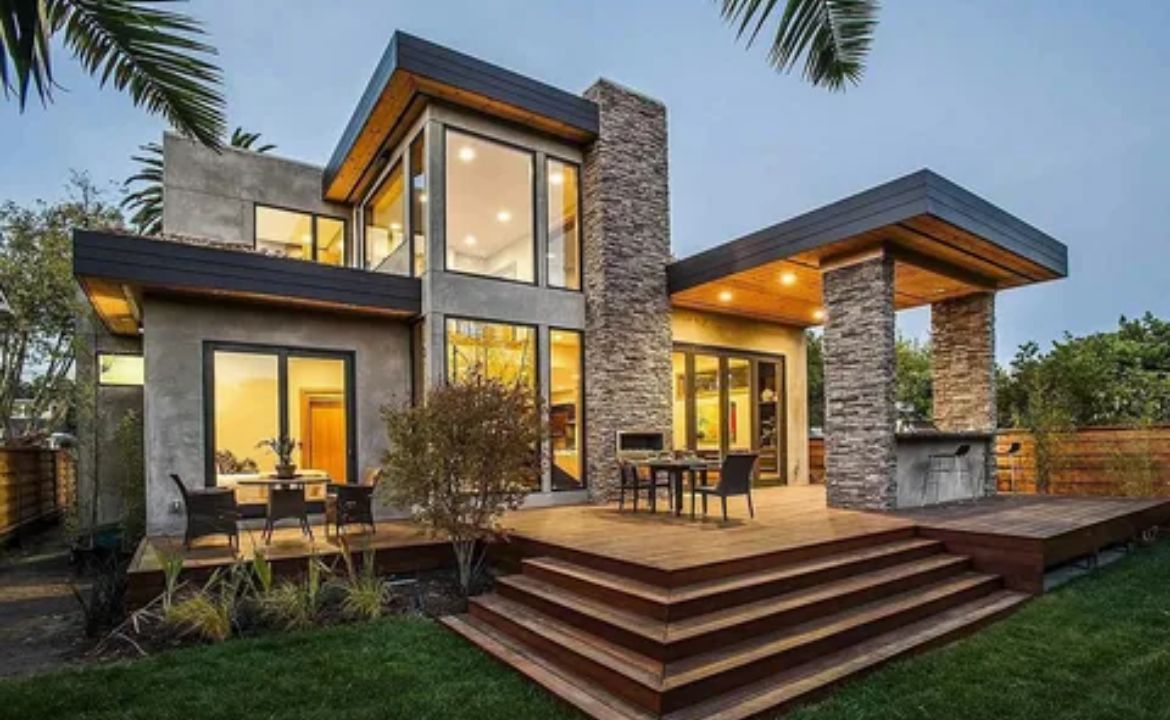
The exterior of your home serves as the first impression for visitors and passersby, making it crucial to invest in thoughtful design choices that reflect your style while enhancing curb appeal. Modern homeowners are increasingly seeking design solutions that blend aesthetic beauty with functional practicality, and dr homey exterior design offers a comprehensive approach to achieving this balance. Whether you’re building a new home or renovating an existing structure, understanding contemporary exterior design principles can transform your property into a stunning architectural statement.
Understanding Modern Exterior Design Principles
Modern exterior design has evolved significantly over the past decade, moving away from purely minimalist approaches to embrace warmth, texture, and personality. The key to successful contemporary home design lies in creating a harmonious blend of clean lines, natural materials, and innovative architectural elements. Today’s homeowners want their exteriors to feel inviting while maintaining the sleek sophistication that defines modern architecture.
The foundation of great exterior design begins with careful consideration of your home’s architectural style. Whether you have a mid-century modern ranch, a contemporary two-story, or a transitional design, your exterior choices should enhance and complement the existing structure rather than compete with it. This means paying attention to proportions, material selection, and color palettes that work cohesively with your home’s bones.
Material Selection for Contemporary Appeal
One of the most impactful decisions in dr homey exterior design involves choosing the right materials for your home’s facade. Modern homes benefit from a thoughtful mix of textures and surfaces that create visual interest without overwhelming the eye. Consider incorporating natural wood siding in warm tones like cedar or ipe, which adds organic warmth and ages beautifully over time. These materials can be paired with smooth stucco, fiber cement panels, or even metal cladding to create dynamic contrast.
Stone and brick remain timeless choices that ground a home’s design in natural beauty. However, contemporary applications often feature these materials in unexpected ways, such as vertical stacked stone accent walls, horizontal brick patterns, or large-format stone panels that emphasize clean lines. The key is using traditional materials with a modern sensibility, avoiding overly busy patterns or outdated applications.
Metal elements have become increasingly popular in modern exterior design, offering both aesthetic appeal and durability. Corten steel panels develop a rich, rustic patina over time, while powder-coated aluminum maintains its crisp appearance for decades. These materials work particularly well as accent features around entryways, garage doors, or as decorative screens that provide privacy without sacrificing style.
Color Palettes That Make a Statement
Color selection plays a pivotal role in defining your home’s exterior personality. While neutral palettes dominated modern design for years, today’s dr homey exterior design trends embrace bolder, more personalized color stories. Deep charcoals and rich blacks create dramatic backdrops that make architectural details pop, while warm grays and greiges offer sophistication with approachability.
Don’t shy away from introducing accent colors that reflect your personality. A deep navy front door, sage green shutters, or terracotta-toned stucco can add character without overwhelming the overall design. The trick is maintaining balance if you choose a bold body color, keep trim and accent colors more subdued, and vice versa. Always consider how colors will look in different lighting conditions throughout the day and across seasons.
Nature-inspired hues continue to resonate with homeowners seeking connection to their surroundings. Earthy browns, forest greens, and warm terracottas help homes blend seamlessly with natural landscapes while maintaining modern appeal. These colors work particularly well in suburban and rural settings where homes are surrounded by vegetation.
Architectural Details That Define Excellence
The details truly make the difference in exceptional exterior design. Large-format windows not only flood interiors with natural light but also create striking visual elements from the outside. Consider floor-to-ceiling glass panels, corner windows that wrap around edges, or strategically placed clerestory windows that add architectural interest to otherwise plain walls.
Rooflines offer another opportunity to make your home stand out. While flat or low-slope roofs define contemporary architecture, even traditional pitched roofs can be modernized through careful detailing. Extended eaves provide shade and visual weight, while exposed rafter tails add textural depth. Metal roofing in standing seam or corrugated profiles delivers both modern aesthetics and practical benefits like durability and energy efficiency.
Entryway design deserves special attention as the focal point of your home’s facade. A well-designed entry in dr homey exterior design might feature a striking pivot door, a floating concrete walkway, dramatic lighting, or a covered portico with clean-lined supports. Landscaping around the entry should guide visitors naturally toward the door while creating a welcoming threshold between public and private space.
Outdoor Living Integration
Modern homes increasingly blur the boundaries between indoor and outdoor living spaces. Your exterior design should facilitate this connection through thoughtful planning of patios, decks, and covered outdoor areas. Large sliding or folding glass doors can transform walls into open-air passages, while covered outdoor living rooms extend your home’s usable square footage.
Consider incorporating features like outdoor kitchens, fire pits, or built-in seating that make exterior spaces as functional as interior rooms. Pergolas with adjustable louvers provide shade control while maintaining clean architectural lines. These elements should feel like natural extensions of your home’s design language rather than afterthoughts.
Landscaping as Exterior Design Partner
Landscaping should never be an afterthought in dr homey exterior design; it’s an integral component that either elevates or undermines your architectural choices. Modern landscaping favors clean lines, strategic plantings, and low-maintenance solutions. Ornamental grasses, succulents, and native plants create texture and movement without requiring extensive upkeep.
Hardscaping elements like concrete pavers, gravel paths, and steel planters reinforce modern aesthetics while providing structure to your landscape design. Consider using landscaping to frame views, create privacy screens, or highlight architectural features. LED landscape lighting can dramatically transform your home’s appearance after dark, emphasizing texture and creating depth.
Lighting Your Modern Exterior
Strategic lighting is essential for showcasing your home’s design after sunset. Wall-mounted sconces flanking the entry provide both illumination and architectural punctuation. Recessed soffit lighting highlights eaves and architectural details, while ground-level uplighting creates dramatic shadows on textured walls.
Path lighting guides visitors safely while adding ambiance, and landscape lighting brings plantings and hardscaping to life. Modern lighting fixtures should complement your home’s style with clean lines and quality materials. Smart lighting systems allow you to adjust brightness and timing, enhancing both security and aesthetic appeal.
Practical Considerations for Lasting Beauty
While aesthetics drive design decisions, practical considerations ensure your exterior remains beautiful for years to come. Choose materials appropriate for your climate. What works in dry, sunny regions may not suit humid or cold environments. Proper drainage, adequate roof overhangs, and quality waterproofing protect your investment from weather damage.
Energy efficiency should factor into material and color selections. Light-colored roofs reflect heat in warm climates, while darker exteriors absorb warmth in colder regions. Quality insulation behind exterior cladding reduces energy costs and improves comfort year-round.
Conclusion
Creating a stunning modern home exterior requires balancing aesthetic vision with practical execution. By thoughtfully selecting materials, colors, and architectural details that work together harmoniously, you can achieve a design that feels both contemporary and timeless. Remember that great exterior design isn’t about following every trend; it’s about creating a cohesive vision that reflects your lifestyle while enhancing your home’s inherent architectural qualities. With careful planning and attention to detail, your home’s exterior can become a source of pride and enjoyment for years to come.

Leave a Reply