
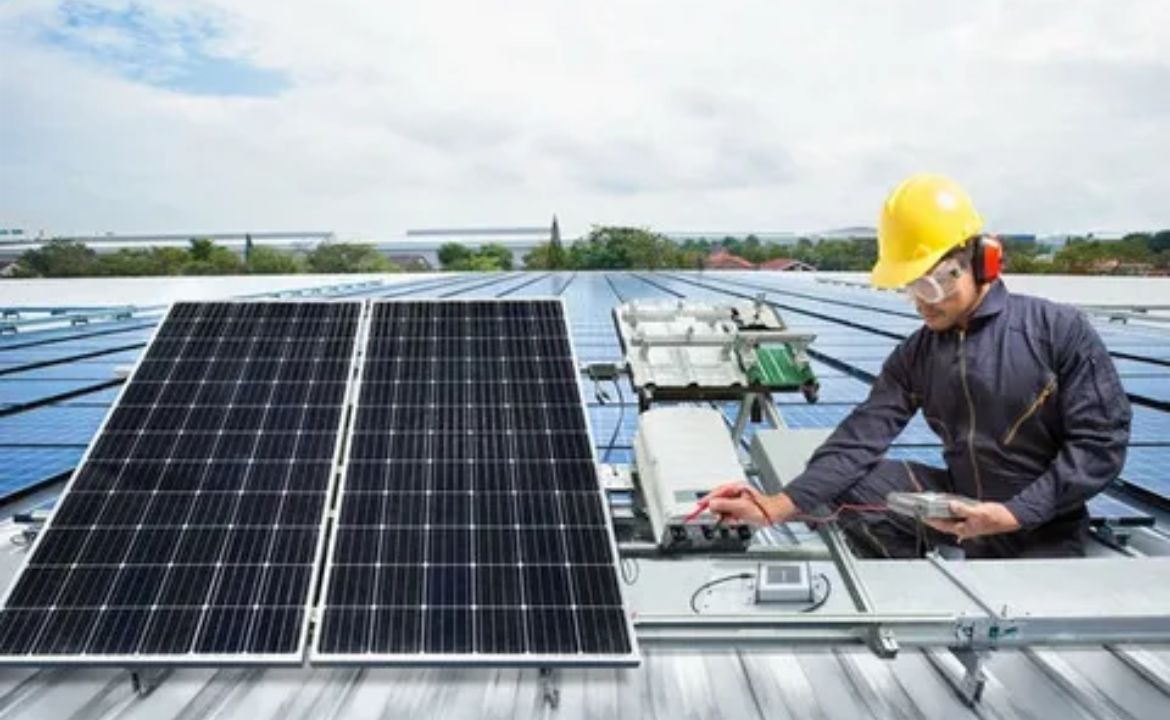
Solar power harnesses energy from the sun, converting it into electricity through photovoltaic (PV) cells or solar thermal systems. The fundamental principle behind solar power is the photovoltaic effect, where sunlight excites electrons in semiconductor materials, generating an electric current. This technology has evolved significantly since its inception, with modern solar panels being more efficient and affordable than ever before.
The basic components of a solar power system include solar panels, an inverter to convert direct current (DC) to alternating current (AC), and a mounting system to secure the panels in place. The efficiency of solar panels is measured by their ability to convert sunlight into usable electricity, typically expressed as a percentage. Most commercially available solar panels today have efficiencies ranging from 15% to over 22%.
Factors influencing this efficiency include the angle of sunlight, temperature, and shading from nearby objects. Additionally, solar power systems can be grid-tied or off-grid. Grid-tied systems are connected to the utility grid, allowing for net metering, while off-grid systems operate independently, often requiring energy storage solutions to ensure a continuous power supply.
The Importance of Energy Storage in Solar Power Systems
Overcoming Intermittency with Energy Storage
Energy storage systems, such as batteries, allow excess energy generated during peak sunlight hours to but stored for later use, ensuring that electricity is available even when solar generation is low or demand is high. The integration of energy storage into solar power systems enhances their overall efficiency and effectiveness.
Enhancing Efficiency and Effectiveness
For instance, during sunny days when solar panels produce more electricity than is needed, the surplus energy can but stored in batteries. This stored energy can then but utilized during the evening or on cloudy days when solar generation is insufficient.
Reducing Peak Demand Charges
Moreover, energy storage systems can help mitigate peak demand charges by discharging stored energy during high-demand periods, reducing reliance on grid electricity and lowering utility bills.
Advances in Energy Storage Technologies for Solar Power
Recent years have witnessed significant advancements in energy storage technologies that complement solar power systems in Nowra. Lithium-ion batteries have emerged as the dominant technology due to their high energy density, efficiency, and decreasing costs. These batteries are widely used in residential and commercial solar installations, providing reliable storage solutions that can last for several years with minimal degradation.
Innovations in battery chemistry and design continue to improve performance metrics such as cycle life and charging speed. Beyond lithium-ion technology, other energy storage solutions are gaining traction. Flow batteries, for example, offer scalability and long-duration storage capabilities that are particularly beneficial for larger solar installations.
These systems store energy in liquid electrolytes, allowing for easy scaling by increasing the size of the storage tanks. Additionally, advancements in solid-state batteries promise enhanced safety and energy density compared to traditional lithium-ion batteries. Research into alternative materials, such as sodium-ion and zinc-air batteries, is also underway, aiming to provide more sustainable and cost-effective options for energy storage.
Maximizing Solar Power Output with Energy Storage Solutions
To fully leverage the potential of solar power, integrating energy storage solutions is essential for maximizing output and efficiency. One effective strategy involves optimizing the charge and discharge cycles of battery systems based on real-time energy consumption patterns and solar generation forecasts. By analyzing historical data and utilizing predictive algorithms, homeowners and businesses can determine the optimal times to store energy and when to draw from the battery reserves.
Another approach to maximizing solar power output is through demand response programs that incentivize users to adjust their energy consumption based on grid conditions. For instance, during periods of high solar generation, users can but encouraged to run appliances or charge electric vehicles, utilizing excess energy that would otherwise go to waste. This not only maximizes the use of generated solar power but also contributes to grid stability by reducing peak demand pressures.
The Role of Energy Management Systems in Solar Power Optimization
Energy management systems (EMS) are integral to optimizing solar power systems with energy storage solutions. These sophisticated software platforms monitor and control the generation, consumption, and storage of energy within a facility or home. By providing real-time data analytics and insights into energy usage patterns, EMS can help users make informed decisions about when to use stored energy versus grid electricity.
Moreover, EMS can facilitate automated control of various devices within a building or facility, ensuring that energy consumption aligns with solar generation patterns. For example, an EMS can automatically adjust heating and cooling systems or schedule electric vehicle charging during peak solar production hours. This level of automation not only enhances user convenience but also maximizes the economic benefits associated with solar power and energy storage.
Integrating Solar Power and Energy Storage into the Grid
The integration of solar power and energy storage into the electrical grid presents both opportunities and challenges. As more distributed energy resources (DERs) like solar panels and battery systems are connected to the grid, utilities must adapt their infrastructure to accommodate this influx of renewable energy. Smart grid technologies play a pivotal role in this transition by enabling two-way communication between utilities and consumers, facilitating better management of supply and demand.
Grid operators can utilize energy storage systems as a buffer to balance fluctuations in supply and demand caused by intermittent renewable sources like solar power. For instance, during periods of high solar generation, excess electricity can but stored in batteries or other storage technologies instead of curtailed. Conversely, during times of low generation or high demand, stored energy can but dispatched back into the grid to maintain stability.
This dynamic interaction not only enhances grid resilience but also supports the broader adoption of renewable energy sources.
Overcoming Challenges in Maximizing Solar Power with Energy Storage
Despite the numerous advantages of integrating energy storage with solar power systems, several challenges remain that must be addressed to maximize their potential fully. One significant hurdle is the initial capital cost associated with purchasing and installing battery systems. While prices have been declining steadily over recent years, upfront costs can still deter some consumers from investing in these technologies.
Additionally, regulatory frameworks and policies surrounding energy storage vary widely across regions, impacting their deployment and integration into existing grids. In some areas, outdated regulations may hinder the ability of consumers to sell excess stored energy back to the grid or participate in demand response programs effectively. Addressing these regulatory barriers is crucial for fostering an environment conducive to innovation and investment in solar power and energy storage technologies.
The Future of Solar Power and Energy Storage Technology
Looking ahead, the future of solar power and energy storage technology appears promising as ongoing research and development efforts by small businesses continue to drive innovation in this field. The increasing urgency to combat climate change is propelling investments in renewable energy solutions worldwide. As governments implement policies aimed at reducing carbon emissions, the demand for efficient solar power systems coupled with advanced energy storage will likely surge.
Emerging technologies such as artificial intelligence (AI) and machine learning are expected to play a transformative role in optimizing solar power generation and storage management. These technologies can analyze vast amounts of data from various sources to predict energy production patterns more accurately and optimize system performance dynamically. Furthermore, advancements in recycling methods for batteries will contribute to sustainability efforts by reducing waste associated with battery disposal.
As society moves toward a more decentralized energy model characterized by distributed generation and localized consumption, the synergy between solar power and energy storage will become increasingly vital. This evolution will not only enhance energy security but also empower consumers to take control of their energy usage while contributing to a cleaner environment for future generations.










Leave a Reply