
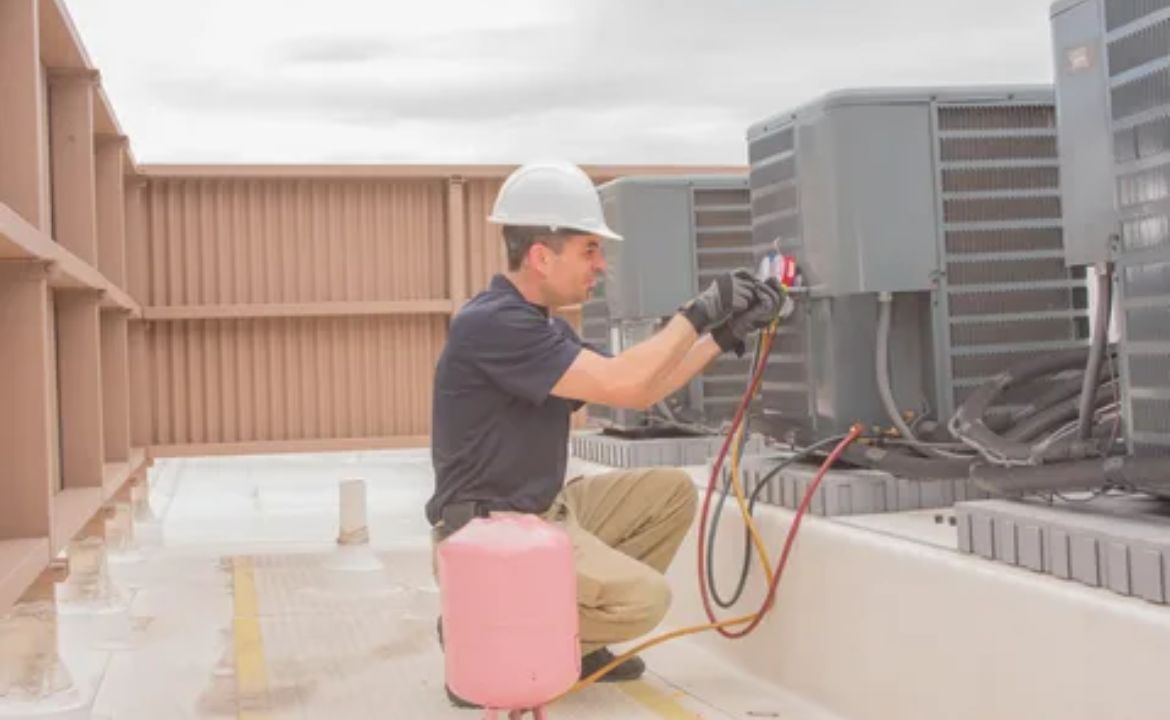
The heating, ventilation, and air conditioning (HVAC) industry represents one of the most stable and profitable sectors in the construction and service markets. With consistent demand driven by climate control needs and equipment maintenance requirements, understanding how to make money in heating and air conditioning business can set you on a path to financial success. Whether you’re starting from scratch or looking to expand an existing operation, the HVAC industry offers multiple revenue streams and growth opportunities.
Understanding the Market Fundamentals
The HVAC industry generates billions in revenue annually, driven by both residential and commercial demand. Homeowners and businesses require year-round climate control, making this a recession-resistant industry. The key to success lies in recognizing that HVAC work encompasses installation, maintenance, repair, and replacement services, each offering distinct profit margins and customer relationships.
Seasonal patterns create natural business cycles, with peak demand during extreme weather periods. Summer months drive air conditioning sales and repairs, while winter brings heating system demands. Smart business owners leverage these cycles by diversifying services and building maintenance contracts that provide steady income throughout the year.
Essential Business Models and Revenue Streams
Installation Services
New construction and replacement installations typically offer the highest profit margins. Residential system installations can range from $3,000 to $15,000, while commercial projects often reach six figures. Building relationships with contractors, real estate developers, and property management companies creates a pipeline of installation opportunities.
Maintenance Contracts
Recurring maintenance contracts provide predictable monthly income while building long-term customer relationships. These agreements typically include bi-annual system inspections, filter changes, and priority service calls. Maintenance contracts not only generate steady revenue but also position your business as the first choice when repairs or replacements become necessary.
Emergency Repair Services
Emergency repairs command premium pricing, especially during peak seasons. Establishing 24/7 service availability and rapid response times allows you to charge higher rates while serving customers in urgent need. Many successful HVAC businesses build their reputation on reliable emergency services.
Specialty Services
Specialized services like indoor air quality assessments, duct cleaning, smart thermostat installation, and energy efficiency audits create additional revenue opportunities. These services often have higher profit margins and help differentiate your business from competitors.
Building a Profitable HVAC Business
Licensing and Certification
Proper licensing and certification form the foundation of any legitimate HVAC operation. Most states require contractor licenses, and technicians need EPA certification to handle refrigerants. Investing in continuous education and maintaining current certifications builds credibility and allows you to command higher prices.
Equipment and Tool Investment
Quality tools and equipment represent significant upfront costs but directly impact efficiency and professionalism. Investing in diagnostic equipment, recovery machines, and specialized tools enables faster, more accurate work. Many successful contractors lease expensive equipment to preserve cash flow while accessing the latest technology.
Strategic Hiring and Training
Skilled technicians are the backbone of profitable HVAC operations. Competitive wages and comprehensive training programs attract quality employees who can work efficiently and maintain high service standards. Cross-training employees in multiple areas increases flexibility and reduces labor costs.
Marketing Strategies for HVAC Success
Understanding how to make money in heating and air conditioning business requires effective marketing to reach potential customers. Digital marketing has become essential, with search engine optimization helping customers find your services during urgent situations. Local search optimization ensures visibility when people search for “HVAC near me” or similar terms.
Customer referral programs leverage satisfied customers to generate new business at low acquisition costs. Many HVAC companies offer incentives for referrals, recognizing that word-of-mouth recommendations carry significant weight in service industries.
Partnership marketing with complementary businesses creates mutual referral opportunities. Building relationships with plumbers, electricians, home improvement contractors, and real estate agents can generate consistent lead flow.
Financial Management and Pricing Strategies
Proper pricing ensures profitability while remaining competitive. Many HVAC businesses use flat-rate pricing for common services, which simplifies billing and improves profit predictability. Time and materials pricing works better for complex or unusual jobs where the scope is difficult to predict.
Understanding your true costs, including labor, materials, overhead, and profit margins, enables accurate pricing decisions. Many contractors fail because they underprice services, focusing on winning jobs rather than maintaining profitability.
Cash flow management becomes critical in the HVAC business due to seasonal fluctuations and large equipment purchases. Establishing credit lines, offering financing options to customers, and maintaining adequate reserves help smooth operational challenges.
Scaling Your HVAC Operation
Learning how to make money in heating and air conditioning business at scale requires systematic growth strategies. Geographic expansion allows access to new customer bases while leveraging existing operational infrastructure. Many successful HVAC companies grow by acquiring smaller competitors or opening satellite locations.
Service diversification reduces dependence on any single revenue stream. Adding plumbing, electrical, or general contracting services creates cross-selling opportunities and increases average customer value. However, diversification should align with your team’s expertise and local market demands.
Technology Integration and Efficiency
Modern HVAC businesses leverage technology to improve efficiency and customer service. GPS tracking optimizes routing and reduces fuel costs while providing customers with accurate arrival times. Digital diagnostic tools speed troubleshooting and improve first-call resolution rates.
Customer relationship management systems help track service histories, schedule maintenance, and identify sales opportunities. Automated billing and payment systems reduce administrative costs while improving cash flow.
Long-term Success Strategies
Building a sustainable HVAC business requires focus on customer satisfaction and employee retention. Satisfied customers become repeat customers and refer others, reducing marketing costs while increasing lifetime value. Regular training keeps your team current with evolving technology and maintains service quality standards.
The question of how to make money in heating and air conditioning business ultimately comes down to combining technical expertise with sound business practices. Successful HVAC contractors understand that profitability requires more than just technical skills – it demands strategic thinking, effective marketing, proper pricing, and exceptional customer service.
The HVAC industry will continue growing as building codes become more stringent and energy efficiency requirements increase. Positioning your business to capitalize on these trends while maintaining strong fundamentals creates the foundation for long-term success and profitability in this essential industry.
Conclusion
Understanding how to make money in heating and air conditioning business requires a multifaceted approach that combines technical expertise, strategic business planning, and exceptional customer service. The HVAC industry offers substantial profit potential through diverse revenue streams, including installations, maintenance contracts, emergency repairs, and specialty services.
Success in this field demands proper licensing, strategic investments in equipment and training, effective marketing strategies, and sound financial management. By building strong customer relationships, maintaining high service standards, and staying current with industry trends and technology, HVAC businesses can achieve sustainable growth and profitability.
The key lies in viewing your HVAC operation not just as a technical service, but as a comprehensive business that solves critical comfort and safety needs for customers. With consistent demand, multiple revenue opportunities, and the potential for recurring income through maintenance contracts, the heating and air conditioning industry provides an excellent foundation for entrepreneurial success and long-term wealth building.










Leave a Reply