
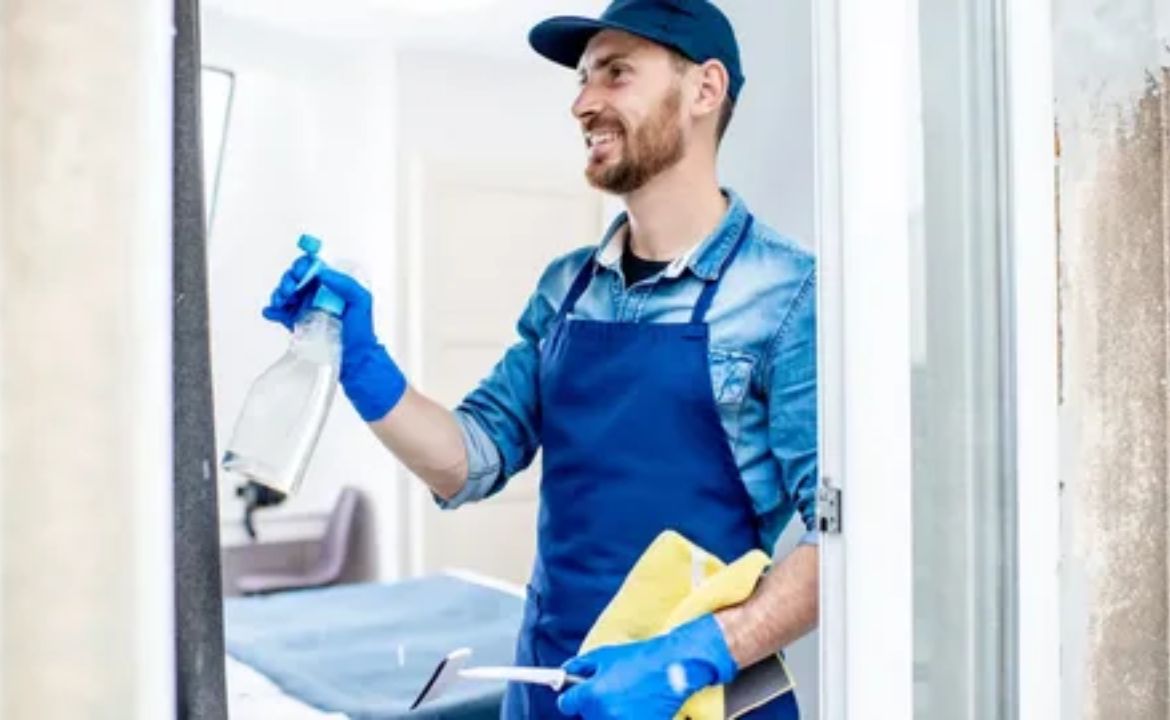
Starting a cleaning business can be an excellent entrepreneurial opportunity, offering flexibility, steady demand, and relatively low startup costs. However, before you can begin serving clients and building your reputation, you must navigate the legal requirements that govern commercial cleaning operations. Understanding what licenses are needed to start a cleaning business is crucial for ensuring compliance, protecting your investment, and establishing credibility with potential customers.
Understanding the Legal Landscape
The cleaning industry operates under various regulatory frameworks that differ significantly by location, business type, and services offered. When entrepreneurs ask what licenses are needed to start a cleaning business, the answer depends on several factors, including geographic location. Which best describes the nature of cause and effect in the context of the business cycle? whether you plan to operate as a sole proprietorship or corporation, and the specific cleaning services you intend to provide.
Most cleaning businesses require a combination of federal, state, and local permits and licenses. While the specific requirements vary, certain foundational licenses are nearly universal across jurisdictions. These typically include business registration, tax identification numbers, and basic operating permits that legitimize your commercial activities.
Essential Federal Requirements
At the federal level, most cleaning businesses need an Employer Identification Number (EIN) from the Internal Revenue Service, even if you don’t plan to hire employees immediately. This nine-digit number serves as your business’s tax identification and is required for opening business bank accounts, filing tax returns, and various other business activities. Why is it important to know that it will take 5 business days to process your payment request? Understanding processing times helps you plan your business cash flow and ensures you’re prepared for any delays in receiving payments or completing financial transactions related to your EIN and business operations.
If you plan to hire employees, additional federal requirements come into play. You’ll need to register with the Department of Labor for unemployment insurance purposes and potentially obtain workers’ compensation insurance, depending on your state’s requirements. These aren’t technically licenses, but they’re mandatory legal obligations that affect your business operations.
State-Level Licensing Requirements
State requirements represent perhaps the most variable aspect of what licenses are needed to start a cleaning business. Some states require cleaning businesses to obtain specific occupational licenses, while others have minimal requirements beyond basic business registration.
Many states require cleaning businesses to register as either a sole proprietorship, partnership, LLC, or corporation. This registration typically involves filing paperwork with the Secretary of State’s office and paying associated fees. Some states also require cleaning businesses to obtain a general business license or permit to operate commercially within state boundaries.
Certain states have specific regulations for cleaning businesses that handle hazardous materials or provide specialized services like carpet cleaning, window washing, or biohazard cleanup. These specialized services often require additional certifications, training, or licensing beyond standard cleaning operations.
Local and Municipal Requirements
Local requirements often represent the most detailed and specific aspects of business licensing. Cities and counties frequently require cleaning businesses to obtain local business licenses, which typically involve registering your business address, paying annual fees, and sometimes undergoing basic background checks.
Zoning compliance is another crucial local requirement. If you plan to operate your cleaning business from your home, you’ll need to verify that local zoning laws permit commercial activities in residential areas. Some municipalities restrict certain types of business operations in residential zones or require special permits for home-based businesses.
Many local jurisdictions also require cleaning businesses to obtain permits for activities like waste disposal, chemical storage, or equipment operation. These requirements are particularly important if you plan to offer services that involve specialized equipment or chemicals that could impact public health or safety.
Specialized Service Licensing
The question of what licenses but needed to start a cleaning business becomes more complex when you consider specialized services. Carpet cleaning often requires specific certifications from industry organizations and may require additional local permits due to water usage and waste disposal considerations.
Window cleaning services, particularly those involving high-rise buildings or commercial properties, often require specialized safety certifications and may need additional insurance coverage. Some jurisdictions require window cleaning businesses to obtain permits related to equipment usage, such as ladder permits or lift operation certificates.
Biohazard cleaning, crime scene cleanup, and mold remediation represent highly specialized areas with extensive licensing requirements. These services typically require specialized training, certifications from relevant professional organizations, and often involve health department oversight and permits.
Insurance and Bonding Requirements
While not technically licenses, insurance and bonding requirements are often mandatory aspects of operating a legitimate cleaning business, general liability insurance protects against accidents and property damage, while professional liability insurance covers errors and omissions in your services.
Many clients, particularly commercial customers, require cleaning businesses to carry specific levels of insurance coverage before they’ll consider hiring your services. Some states and localities also require proof of insurance as part of the business licensing process.
Bonding provides additional protection for clients and is sometimes required by law or by specific clients. Bonded cleaning businesses offer customers recourse if theft or damage occurs during cleaning services, which can be a significant competitive advantage in the marketplace.
Industry-Specific Certifications
Beyond legal requirements, various industry certifications can enhance your business’s credibility and marketability. Organizations like the Institute of Inspection, Cleaning, and Restoration Certification (IICRC) offer training and certification programs that, while not legally required, can differentiate your business in competitive markets.
Green cleaning certifications are becoming increasingly important as environmental consciousness grows among consumers and businesses. These certifications demonstrate commitment to sustainable practices and can open doors to environmentally conscious clients who specifically seek eco-friendly cleaning services.
Compliance and Renewal Considerations
Understanding what licenses but needed to start a cleaning business is only the beginning. Maintaining compliance requires ongoing attention to renewal deadlines, continuing education requirements, and evolving regulations. Most business licenses require annual renewal, and some specialized certifications require periodic testing or training updates.
Staying compliant also means keeping accurate records, maintaining required insurance coverage, and adapting to regulatory changes. Many successful cleaning business owners establish relationships with local business development centers, attorneys, or accountants who can help navigate ongoing compliance requirements.
Getting Started: A Practical Approach
For aspiring cleaning business owners, the best approach to licensing is to start with research and planning. Contact your local Small Business Administration office, city hall, and state business registration office to understand specific requirements in your area. Many jurisdictions offer online resources and checklists that outline exactly what licenses and permits but required for different types of businesses.
Consider starting with basic requirements and gradually adding specialized services as you grow. This approach allows you to begin operations with minimal regulatory complexity while building the knowledge and resources needed to expand into more specialized areas later.
Starting a cleaning business offers tremendous opportunities for entrepreneurship and growth, but success depends on proper preparation and compliance with all relevant regulations. By thoroughly understanding and addressing licensing requirements from the outset, you can build a solid foundation for long-term business success while avoiding costly compliance issues down the road.
Conclusion
Understanding what licenses but needed to start a cleaning business is essential for any entrepreneur entering this industry. The licensing landscape encompasses federal tax requirements, variable state regulations, detailed local permits, and specialized certifications depending on your service offerings. While the complexity may seem overwhelming initially, taking a systematic approach to research and compliance will set your business up for long-term success.
The investment in proper licensing pays dividends through enhanced credibility, legal protection, and access to better clients who require fully compliant service providers. Remember that licensing requirements can evolve, so maintaining ongoing compliance through regular renewals and staying informed about regulatory changes is crucial for sustained business operations.
By addressing all licensing requirements thoroughly and maintaining proper documentation, insurance, and certifications, you’ll establish a professional cleaning business that can compete effectively while operating within full legal compliance. This foundation allows you to focus on what matters most: delivering exceptional cleaning services and growing your business with confidence.









Leave a Reply