
Table of Contents
- The Modern Role of an SEO Agency
- Laying the Foundation: Technical SEO
- Research-Based Strategy for Targeted Growth
- Optimizing On-Page Factors
- Content Creation That Connects and Converts
- Off-Page SEO: Building Trust and Authority
- Measuring Progress: Analytics and Reporting
- Adapting to Trends and Staying Competitive
- Conclusion: Partnering for Sustainable Online Success
The Modern Role of an SEO Agency
The digital landscape changes rapidly, making the expertise of an SEO agency more essential than ever. Today’s agencies go beyond basic keyword targeting; they offer comprehensive strategies that address both technical and creative elements of website optimization. An SEO agency functions as a partner whose goals align with your business objectives, adapting its methods to maximize online visibility and sustainable growth.
The services offered by a modern SEO agency cover a broad spectrum. Their work encompasses every aspect required for high search engine rankings, from technical audits and ongoing site maintenance to deep-dive keyword research, content development, and link-building outreach. Plus, this expertise means avoiding algorithm updates impacting your site’s organic performance. An agile, data-driven approach is essential to thrive in today’s competitive market.
Because search engine algorithms constantly evolve, agencies dedicate significant resources to understanding the latest updates. This ensures that clients recover from ranking hits and take proactive steps to secure long-term visibility. Their constant monitoring and willingness to pivot strategies allow brands to maintain—and grow—their digital footprint.
Laying the Foundation: Technical SEO
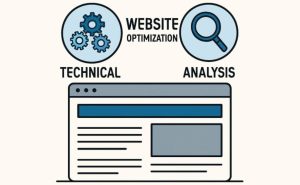
Every successful SEO campaign starts with a solid technical foundation. Ensuring website health and crawlability are non-negotiable prerequisites for ranking well. Technical SEO makes it easy for search engines to discover and understand your website’s content. This means addressing site architecture, implementing clean URL structures, and ensuring proper XML sitemaps and robots.txt files are in place.
Common issues can significantly hamper rankings, including slow site speed, poor mobile usability, and missing or improperly structured data. For example, Google favors sites that load quickly and perform well on mobile devices for user experience and search ranking. Structured data helps search engines interpret your content, making your pages eligible for rich snippets that enhance visibility.
A good technical SEO audit will identify and resolve these barriers, improve user experience, and lay the groundwork for every other SEO initiative to deliver results.
Research-Based Strategy for Targeted Growth
At the core of effective SEO is rigorous research. Agencies conduct thorough keyword and competitor analysis to uncover high-impact opportunities. By delving into audience signals and search intent, they craft strategies that attract users who are more likely to engage and convert. Rather than chasing high-volume keywords alone, smart agencies focus on those with real business potential.
Data-driven decisions guide topic selection, allowing SEO experts to prioritize opportunities that bring measurable growth. By understanding what your audience is searching for—and why—agencies ensure your website is poised to capture the right traffic at the right time.
Optimizing On-Page Factors
On-page SEO is refining each element of your web pages to support search engine understanding and a stellar user experience. Compelling meta titles and descriptions increase click-through rates from search results. Thoughtful optimization of headings, images (with descriptive alt text), and strategic internal linking helps search engines navigate your site and allocate ranking authority efficiently.
One critical aspect is balancing keyword targeting with natural readability. Over-optimization can harm user engagement and trigger search engine penalties. Agencies ensure that content flows naturally, provides value, and uses keywords in context, maintaining a user-first approach without sacrificing SEO benefits.
Content Creation That Connects and Converts
Successful SEO content is shaped not just to rank but to answer user questions and drive business outcomes. This means crafting articles, blog posts, product pages, and resources that align with searcher intent and your company’s broader goals. Integrating E-E-A-T (Experience, Expertise, Authoritativeness, and Trustworthiness) principles ensures authoritative content that builds credibility and fosters trust with your audience.
The most effective strategies result in content that attracts traffic and compels readers to take action—whether it’s making a purchase, signing up for a newsletter, or sharing your insights. For instance, long-form guides and in-depth product comparisons often perform well in competitive niches, as discussed in recent analysts’ roundups on Moz Blog.
Off-Page SEO: Building Trust and Authority
Backlinks remain a cornerstone of organic ranking success. When authoritative sites link to your content, search engines signal that your resource is trustworthy and deserves higher rankings. Digital PR campaigns and outreach strategies are instrumental in acquiring these valuable links, often through thought leadership placements, strategic partnerships, and resource shareability.
Agencies track the impact of these efforts relentlessly—not simply counting links, but tying them to upticks in organic traffic, improved keyword positions, and increased trust signals. The cascading effects of strong off-page SEO can lift an entire domain’s authority, making every page on your site more competitive.
Measuring Progress: Analytics and Reporting
Accurate measurement is critical to assessing and refining SEO efforts. The key metrics to watch include keyword rankings, organic traffic, and, most importantly, conversions. By analyzing these data points, agencies deliver actionable insights highlighting what’s working and requires adjustment.
Agencies leverage robust analytics tools and customized dashboards to monitor progress. Platforms like Google Analytics offer granular views of user behavior, goal completions, and conversion paths—making it easier to demonstrate ROI and justify strategic pivots when needed.
Adapting to Trends and Staying Competitive
Search is constantly changing, from core algorithm updates to emerging technologies like AI and voice search. Leading agencies stay ahead of the curve through continual research, industry education, and a willingness to test new approaches. Agility is a defining characteristic that allows brands to respond quickly to ranking shifts or sudden opportunities in their niche.
Recent trends—such as Google’s growing emphasis on helpful, authoritative content and page experience—are shaping the future of SEO. As thought leaders at Search Engine Land have explored, strategy needs to be continuously adapted.
Conclusion: Partnering for Sustainable Online Success
Long-term growth in today’s digital world comes from sustained, strategic investment in SEO. Engaging with an expert agency isn’t just a short-term rankings play—it’s a partnership for continuous improvement, market leadership, and enduring visibility. The compounding benefits of consistent optimization, analytics-driven insights, and agile responses to change ultimately result in greater traffic, higher conversions, and a foundation for future online success.











Leave a Reply